
How Much Does A Concrete Slab Cost? A Guide For Australian Homeowners

Easy Mix Concrete • September 30, 2026

Planning a new house, garage, shed or outdoor entertaining area often begins with establishing a realistic construction budget. A slab may look straightforward on paper, but the final price depends on its dimensions, thickness, concrete strength, reinforcement, site preparation and accessibility. Understanding the typical concrete slab cost and what contributes to it can help homeowners and owner-builders budget more accurately, discuss requirements with contractors and compare quotes based on the same scope of work.

Start With The Size & Purpose Of The Slab

Slab size is one of the clearest starting points for estimating a project because a larger footprint generally requires more concrete, reinforcement and labour. However, two slabs covering the same number of square metres may have very different requirements. A garden shed might need a relatively straightforward slab, while a garage must accommodate vehicle loads and a house slab may contain thickened edges, beams and other engineered structural elements.


Start by confirming these basic project details:


  • Measure the total slab area in square metres.
  • Identify whether it will support a house, garage, shed or entertaining area.
  • Check the plans for beams, thickened edges or other structural features.


Defining the slab's purpose early makes it easier to estimate material volumes and obtain meaningful quotes.

Allow For Different Square Metre Price Ranges

Installed slab prices are often discussed as a rate per square metre, but these figures should be treated as budgeting guides rather than fixed prices. A straightforward shed or patio slab may sit around $80 to $120 per square metre, while garage slabs can commonly fall around $100 to $150 per square metre. More complex residential slabs with substantial reinforcement, earthworks or engineered features may reach approximately $120 to $200 or more per square metre.


When considering indicative rates, account for:


  • Basic shed or entertaining slabs generally sitting at the lower end.
  • Vehicle-bearing garage slabs often requiring additional strength or reinforcement.
  • Engineered house slabs potentially involving beams, footings and more extensive preparation.


The most useful price comparison is one based on slabs with similar structural and site requirements.

Thickness Has A Direct Impact On Concrete Volume

Even a relatively small increase in slab thickness can noticeably increase the amount of concrete required across a large area. For example, moving from a 100 mm slab to a 120 mm slab adds 20 per cent more concrete before allowing for beams or thickened edges. The correct thickness should therefore be based on the intended application and engineering specifications rather than cost alone.


Thickness requirements commonly depend on:


  • The loads the finished slab will need to support.
  • Soil conditions and the structural design of the project.
  • Additional depth required for beams, edges or footings.


Accurate dimensions provide a much stronger basis for calculating concrete quantities and controlling material costs.

Choose The Right Concrete Strength Grade

Concrete strength is commonly expressed in megapascals, or MPa, and the specified grade influences both structural performance and material pricing. A 20MPa mix may suit certain general-purpose applications, while 25MPa is frequently specified for residential work. Higher-strength options such as 32MPa may be required where the design, exposure conditions or expected loads demand greater performance. The correct grade should always follow the project specifications.


Common grades may be selected for different reasons:


  • 20MPa can suit some lighter-duty, general concrete applications.
  • 25MPa is often specified for standard residential concrete work.
  • 32MPa may be required for more demanding structural or exposure conditions.


Selecting the specified mix avoids paying for unnecessary strength while ensuring the concrete suits its intended application.

Reinforcement & Preparation Affect The Total Price

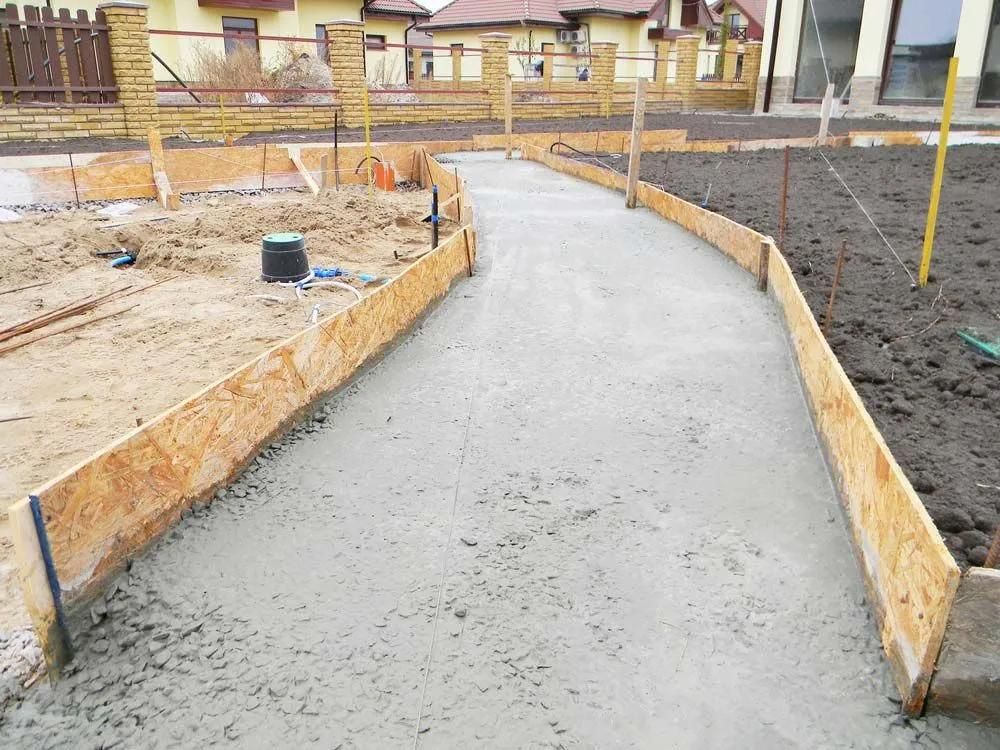
Concrete is only one component of a finished slab. Steel mesh, reinforcing bars, vapour barriers, formwork, excavation and compacted sub-base materials can all contribute significantly to the total project price. These requirements also help explain why the concrete slab cost quoted for one project can differ from another even when the slabs appear similar in size.


Important preparation and reinforcement items include:


  • Compacted sub-base material suited to the ground conditions.
  • Steel mesh or reinforcing bars installed to the specified design.
  • Formwork, membranes and excavation required before the pour.


Checking whether these items are included in a quote prevents unexpected additions from appearing later in the project.

Calculate The Required Concrete Before Ordering

Accurate volume calculations help reduce the risk of ordering too little concrete or paying for significantly more material than necessary. Before requesting a quote, use a concrete calculator to work out how many cubic metres your slab will require. Length, width and depth provide the basic calculation, although beams, footings and thickened sections must also be included where relevant.


Before finalising an order, check:


  • The slab dimensions against the latest construction plans.
  • All deeper beams, edges and footings that increase volume.
  • The appropriate allowance for variations during placement.


A carefully calculated order gives suppliers clearer information and helps the pour proceed without avoidable material shortages.

Consider Site Access & Delivery Conditions

Delivery conditions can influence the practical cost of pouring a slab, particularly where trucks cannot position close to the work area. Narrow entrances, steep driveways, soft ground, limited turning space or overhead obstructions may require additional planning. When speaking with concrete suppliers on the Central Coast, describing site access accurately can help identify potential delivery considerations before concrete arrives.


Useful access details to provide include:


  • The width, height and condition of the site entrance.
  • The distance between the truck position and the slab.
  • Any slopes, restricted turning areas or overhead obstacles.


Discussing access early allows the contractor and supplier to plan a more efficient and controlled concrete placement.

Compare Quotes On More Than The Bottom Line

A lower quote does not necessarily cover the same materials, quantities or services as another estimate, so homeowners should compare the scope carefully. Check the concrete grade, estimated cubic metres, delivery arrangements and any additional charges that may apply. It is also useful to understand how concrete suppliers help meet building regulations, including supplying concrete that matches specified strength grades and providing relevant delivery documentation for the ordered mix.


When reviewing quotations, compare:


  • The concrete grade and quantity included in each price.
  • Delivery, waiting time and other potential service charges.
  • Whether the quotation matches the engineer's or builder's specifications.


A detailed comparison gives you a clearer picture of what you are actually paying for rather than focusing solely on the headline figure.

Plan Your Slab With Local Supply In Mind

For homeowners and owner-builders on the Central Coast, accurate quantities, suitable concrete grades and well-planned delivery arrangements can make budgeting for a slab considerably clearer. Your final concrete slab cost will depend on the complete project scope, from preparation and reinforcement through to access and the volume of concrete required. We at Easy Mix Concrete can help you organise concrete for house slabs, garages, sheds and outdoor areas based on your project requirements. Contact our team to discuss your slab specifications, concrete volume and delivery needs before your planned pour.


Concrete Driveway On The Central Coast
By Easy Mix Concrete • October 5, 2026
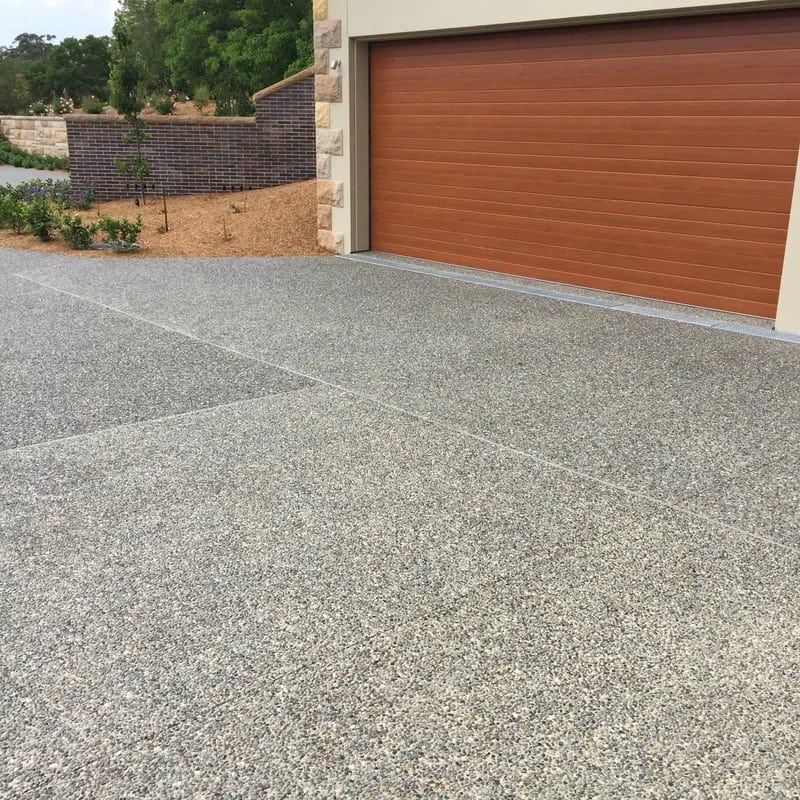
Compare concrete driveway central coast options, including plain, coloured, exposed aggregate and stencilled finishes, plus ready-mix supply tips.
How Long Does Concrete Take To Set
By Easy Mix Concrete • September 10, 2026
Learn how long does concrete take to set, from initial hardening to full curing. Follow practical timing tips for your concrete project today.
Exposed aggregate concrete pathway showcasing a Concrete Driveway On The Central Coast beside modern
By Easy Mix Concrete • July 13, 2026
Compare driveway costs with insights from Concrete Suppliers In Central Coast. Read the guide and get started today for informed decisions.

Cracked Concrete Floor on the Central Coast
By Easy Mix Concrete • June 19, 2026
Prevent costly cracks with advice from concrete suppliers on the Central Coast. Explore common causes and practical prevention tips today.
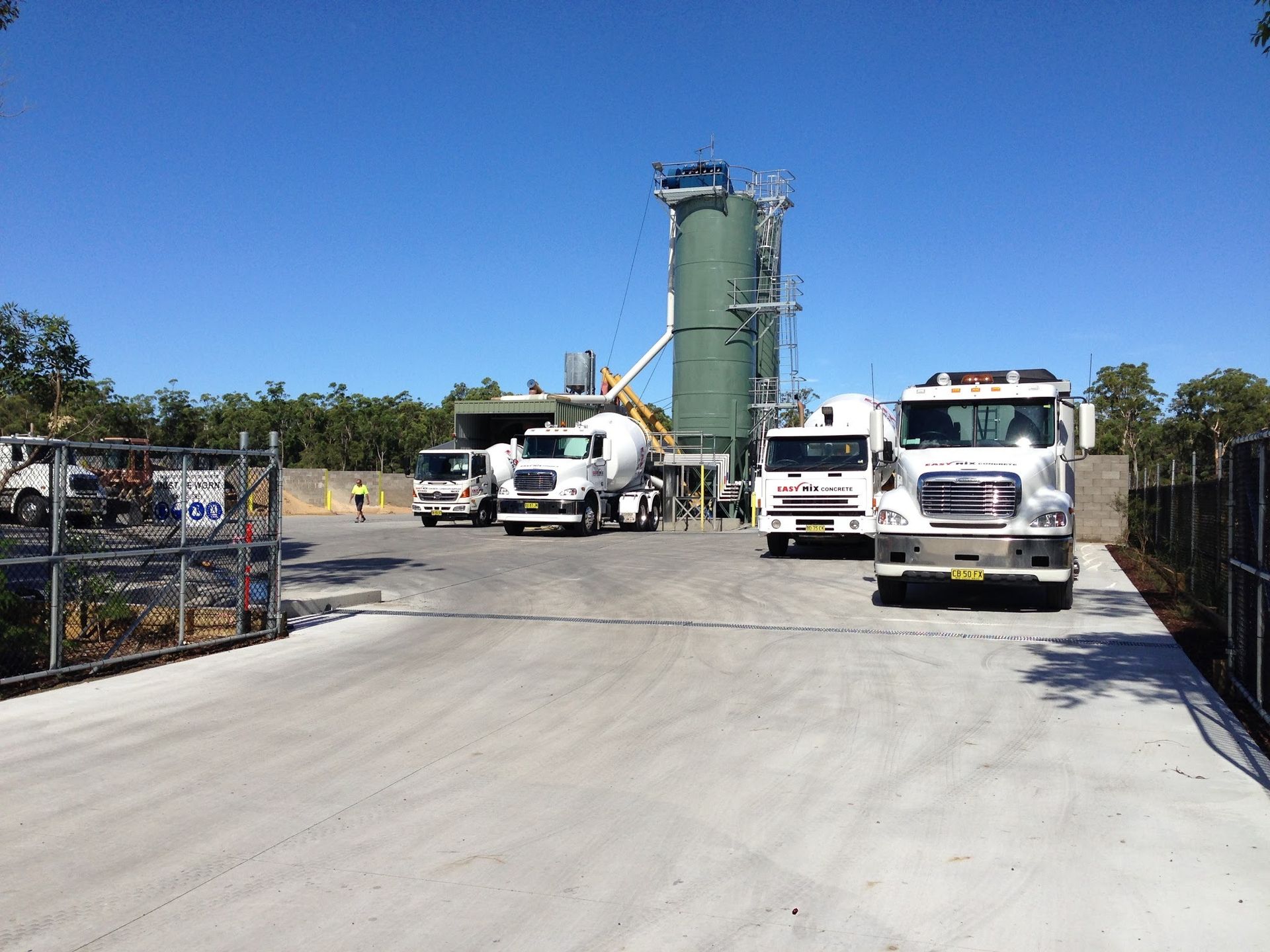
Concrete Trucks Parked at a Construction Site
By Easy Mix Concrete • April 20, 2026
Discover specialised mixes from concrete suppliers in Central Coast for durable, high-quality builds. Explore options and get expert advice today.

Close-up of a brick patio — Easy Mix Concrete In Berkeley Vale, NSW
By Easy Mix Concrete • January 2, 2026
Protect your decorative concrete on the Central Coast with expert sealing tips from trusted concrete suppliers. Take action to preserve your surfaces.
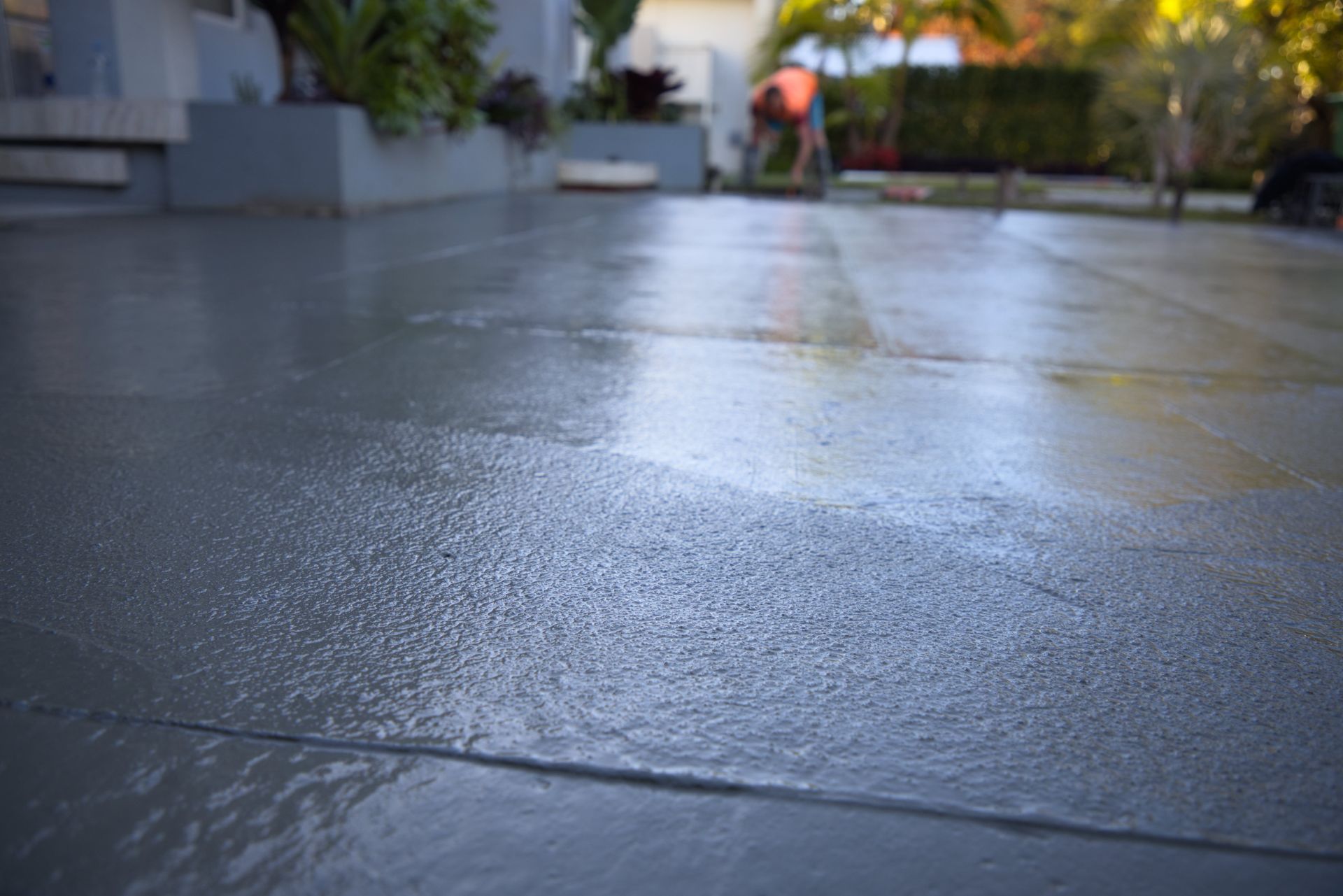
Freshly Poured Plain Concrete — Easy Mix Concrete In Berkeley Vale, NSW
By Easy Mix Concrete • December 8, 2025
Discover the difference between exposed aggregate and plain concrete with help from concrete suppliers in Central Coast. Choose the best finish today.
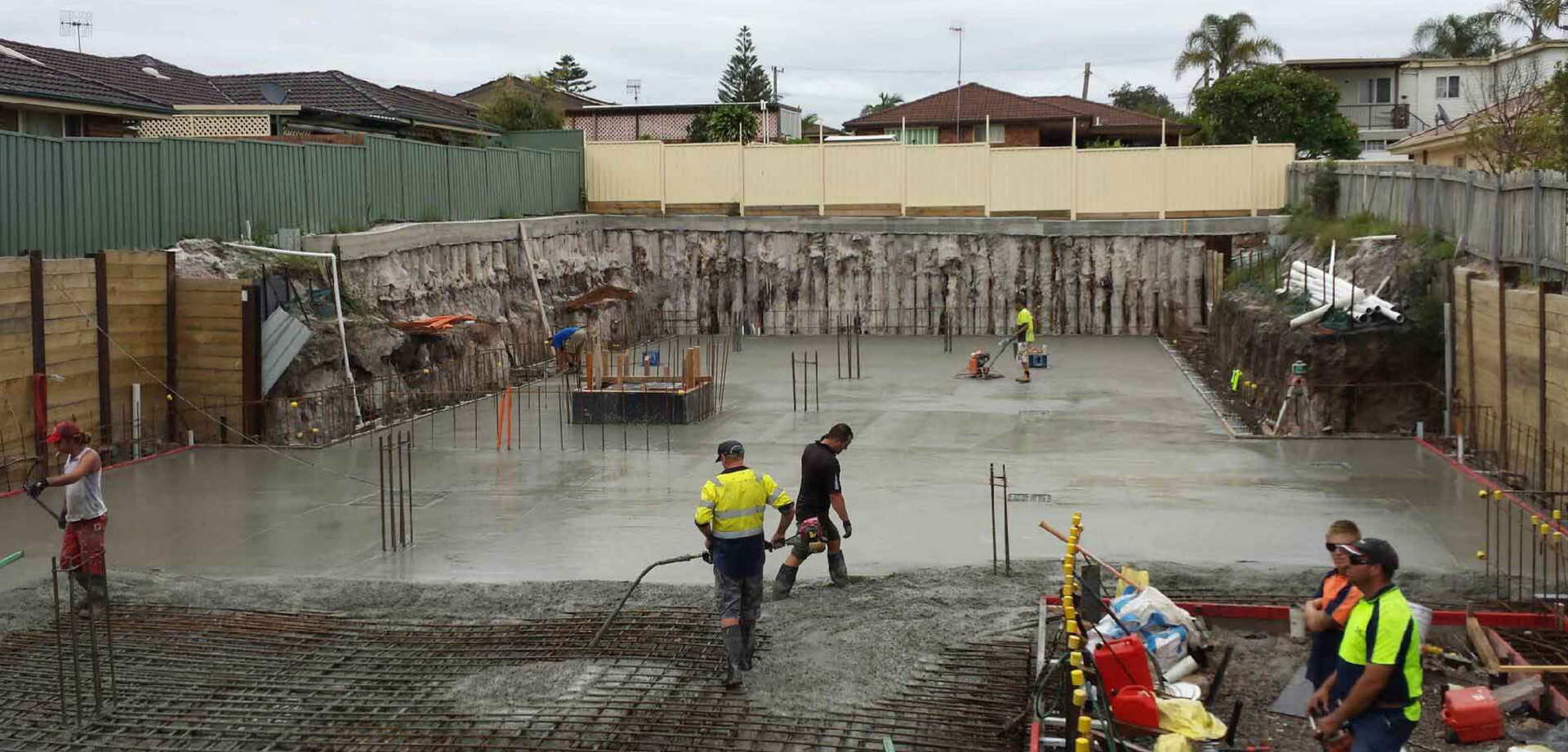
Several Concrete Layers Working on a Large Site — Easy Mix Concrete In Berkeley Vale, NSW
By Easy Mix Concrete • September 26, 2025
When it comes to construction, whatever you're building, the role of a ready-mix concrete supplier is more critical than many realise.
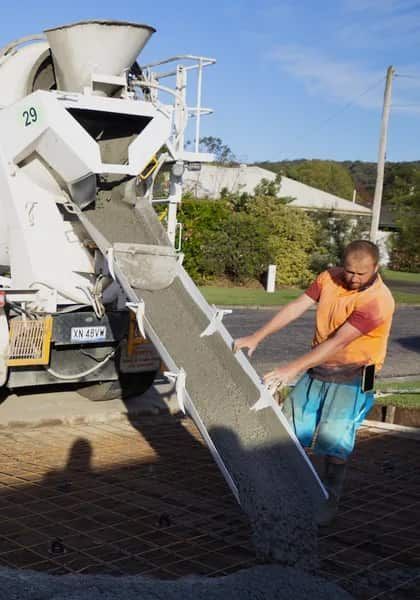
Man In Orange Shirt Guides Concrete From A Truck Chute — Easy Mix Concrete In Berkeley Vale, NSW
By Easy Mix Concrete • September 1, 2025
Understand concrete mix types and their uses. Choose expert concrete suppliers Central Coast, trusted central coast concrete suppliers and concrete suppliers near you.
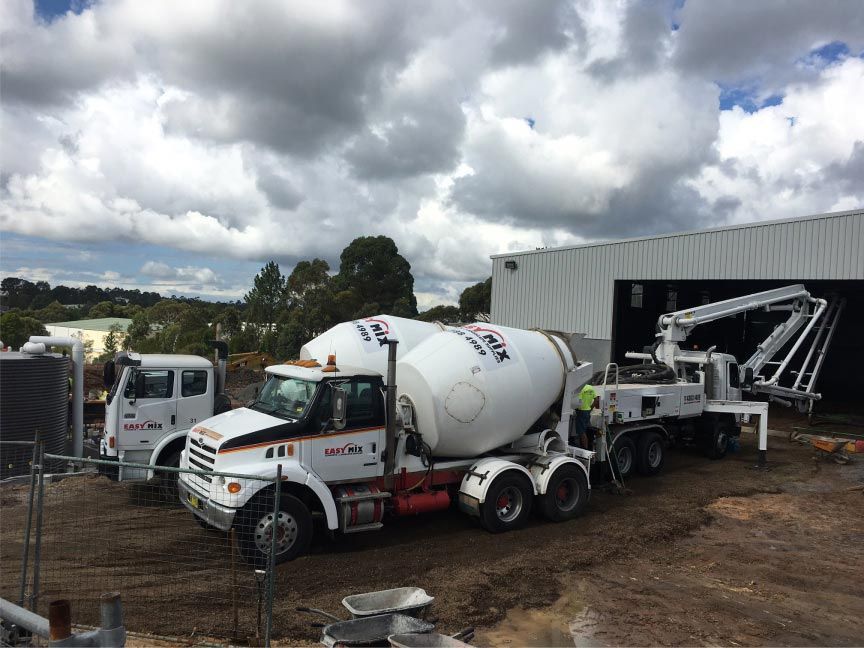
Easy Mix Concrete Trucks Delivering Concrete — Easy Mix Concrete In Berkeley Vale, NSW
By Easy Mix Concrete • August 1, 2025
Easy Mix Concrete provides Central Coast builders with compliant mixes, expert advice and prompt delivery for all residential and commercial jobs.