How To Stop Concrete Cracking: Causes & Prevention Tips
Concrete is one of the most durable building materials available — but even well-laid concrete can crack if the planning, materials or site preparation aren't right. Knowing how to stop concrete cracking starts well before the truck arrives.
For homeowners, owner-builders and tradies on the Central Coast planning a driveway, slab or path, understanding the causes of concrete cracking and the steps that prevent it can save significant time, money and frustration down the track. Choosing the right strength of standard concrete for the job is one of the simplest ways to stop concrete cracking before it starts.
Why Does Concrete Crack?
Cracking isn't random — it's almost always traceable to one or more identifiable causes. Understanding why does concrete crack helps you make better decisions at the planning stage, when most cracking problems can still be avoided.
The most common causes include:

- Shrinkage — concrete naturally loses moisture and volume as it cures, creating internal stress that leads to cracking if not properly managed
- Rapid or uneven curing — hot, windy or dry conditions cause the surface to dry faster than the interior, creating differential stress throughout the slab
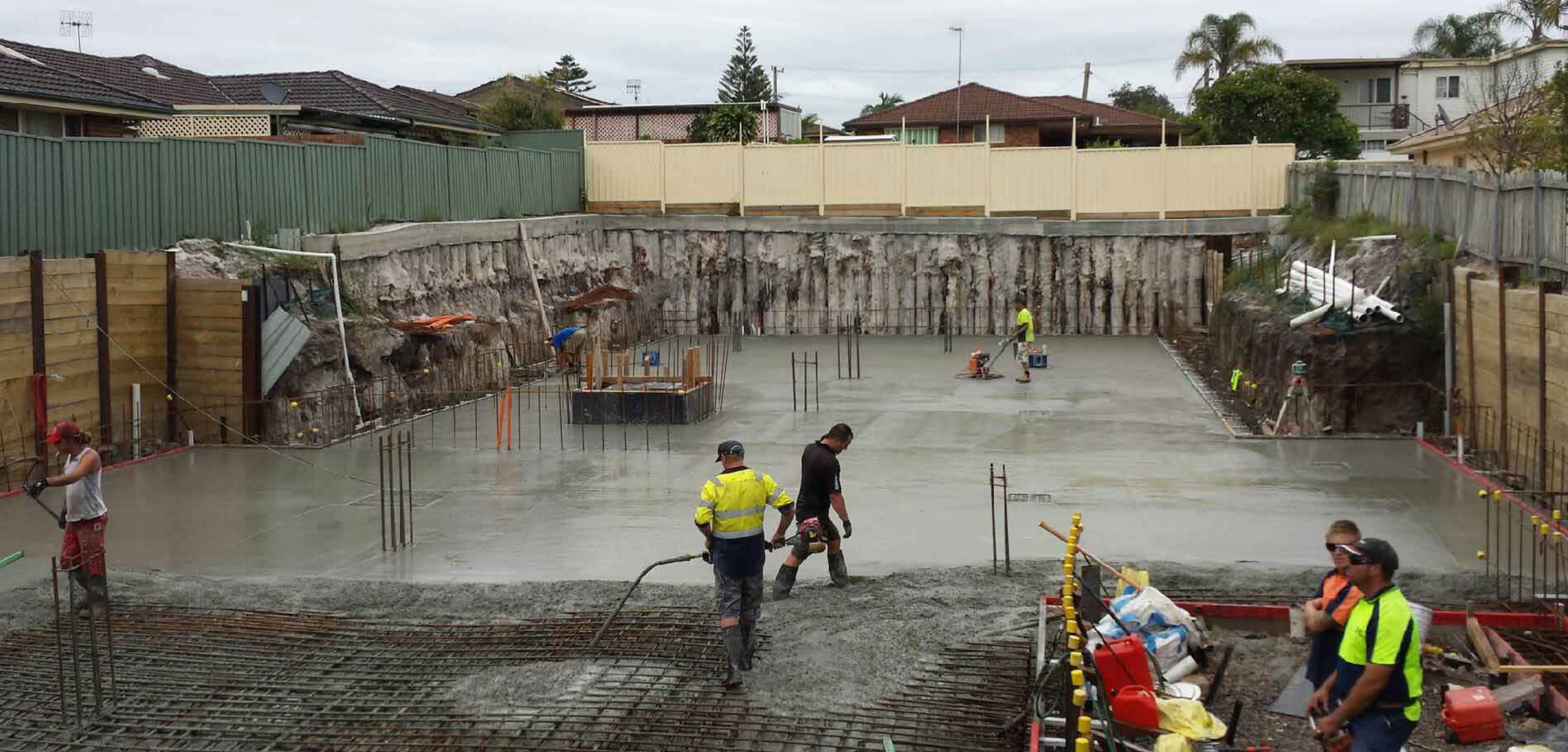
- Poor sub-base preparation — an uncompacted, uneven or poorly draining base allows the slab to flex under load, leading to cracking from below
- Incorrect mix strength — using a mix that's too weak for the application means the concrete can't handle the stresses placed on it
- Overloading — exceeding the load the slab was designed for, either during construction or in use, introduces stress the concrete wasn't built to absorb
- Insufficient reinforcement — slabs without adequate steel mesh or fibre reinforcement have less tensile strength and are more susceptible to cracking under load or movement
Identifying which of these factors applies to your project is the starting point for preventing them.
Choosing the Right Concrete Mix
Mix selection is one of the most important and most frequently underestimated decisions in any concrete project. The MPa strength rating of a mix indicates its compressive strength and using the wrong strength for the application is a common cause of premature cracking and surface deterioration.
As a general guide:
- 20MPa suits light residential applications such as paths and garden edging
- 25MPa is appropriate for standard residential driveways and house slabs
- 32MPa is suited to higher-load applications, including commercial driveways, crossovers and structural slabs
- 40MPa and above is used for heavy-duty commercial and industrial applications
Experienced concrete suppliers on the Central Coast can recommend the correct mix design for your site conditions and climate — including aggregate size, workability and any admixtures suited to the conditions on the day of the pour. Getting this advice before ordering is far simpler than managing cracking after the fact.
Sub-Base Preparation
The condition of the ground beneath a slab has a direct bearing on how well the finished concrete performs. A poorly prepared sub-base is one of the most reliable predictors of slab cracking — particularly in soils that are reactive, poorly draining or prone to movement.
Effective sub-base preparation involves:
- Removing organic material, topsoil and any soft or unstable fill
- Compacting the base material in layers to achieve a firm, even surface
- Using appropriate fill material — typically crushed rock or compacted road base — to the specified depth
- Ensuring adequate drainage so water doesn't pond beneath the slab and soften the base over time
- Checking levels to ensure uniform slab thickness, which affects both strength and cracking resistance
A slab that's well supported from underneath can better handle the loads placed on top of it. One that sits on a soft, uneven or poorly drained base will flex — and flexing concrete cracks.
Concrete Curing
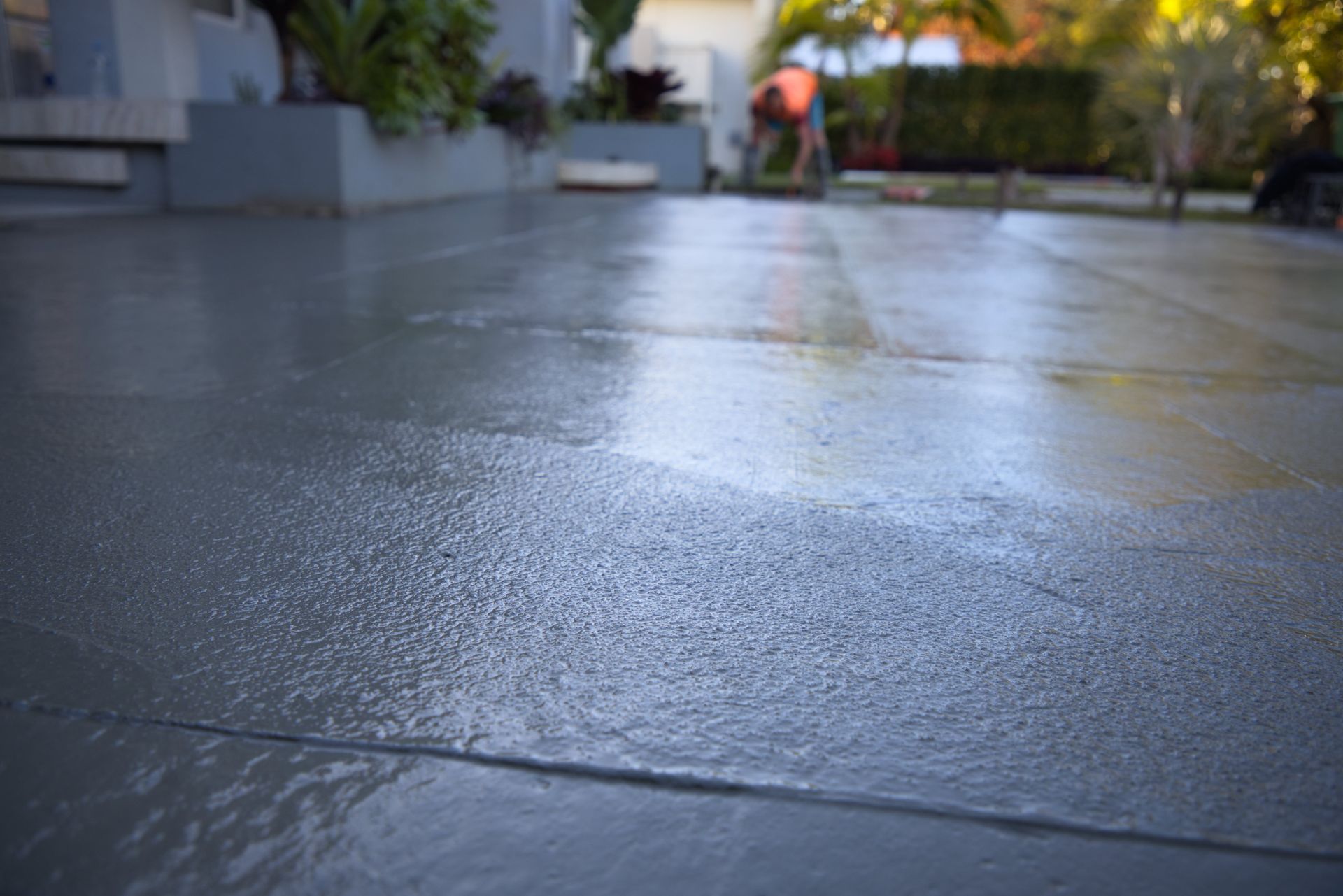
Curing is the process by which concrete gains its strength — and how it's managed in the first days after a pour has a significant effect on the finished result. Concrete that dries too quickly loses moisture before the chemical hardening process is complete, resulting in a weaker, more crack-prone surface.
Key principles of proper concrete curing include:
- Keeping the surface moist for a minimum of three to seven days after the pour
- Avoiding pours during extreme heat or high wind conditions where rapid surface drying is likely
- Using curing compounds or wet hessian to retain surface moisture in exposed conditions
- Protecting fresh concrete from direct sun and wind with shade cloth or temporary covers during the initial curing period
The strength gain in concrete is progressive — it reaches around 70% of its design strength at seven days and continues to gain strength for weeks beyond that. Disrupting the curing process early compromises that development.
Control Joints and Expansion Joints
One of the most effective tools for preventing concrete slab cracking is also one of the most straightforward — placing control joints at the right intervals during or shortly after the pour. Control joints create deliberate weak points in the slab that direct any shrinkage cracking to occur in a straight, planned line rather than randomly across the surface.
How to prevent concrete cracks using joints:
- Control joints should be cut or tooled to a depth of approximately one-quarter of the slab thickness
- Spacing depends on slab thickness — a general rule is joint spacing of no more than 24 to 30 times the slab depth in millimetres
- Expansion joints are placed where the slab meets fixed structures such as walls, posts, footings or existing concrete to allow for thermal movement
- Joints around penetrations — pipes, drains, columns — are particularly important, as these are common initiation points for cracking
Joints are not a sign of poor workmanship — they're a sign of proper planning. A slab without adequate joint placement is one that will crack on its own terms, not yours.
Reinforcement
Steel mesh and fibre reinforcement don't prevent concrete from cracking — but they do control what happens when it does. Reinforced concrete holds together after cracking, maintaining structural integrity rather than allowing cracks to widen, shift or propagate across the surface.
Reinforcement considerations for residential and light commercial slabs:
- SL72 or SL82 steel mesh is commonly used in residential driveways and slabs
- Mesh must be positioned correctly within the slab — typically at mid-depth or slightly above — to be effective
- Polypropylene fibre additives can be blended into the mix at the batching plant to provide additional crack control throughout the full depth of the slab
- Reinforcement requirements increase with load demands — heavier vehicles, forklift access or machinery use all warrant a higher level of reinforcement
Reinforcement specification should align with the intended use of the slab, not just minimum requirements.
Ordering the Right Volume
One often-overlooked contributor to concrete slab cracking is the cold joint — a weak plane that forms when a pour is interrupted and fresh concrete is placed against concrete that has already begun to set. This most commonly occurs when the volume ordered is insufficient and a second load is required mid-pour.
Ordering the right volume using a concrete calculator helps avoid cold joints from part-loads, which can become weak points that crack over time. Accurate volume calculation, with a small buffer for wastage and site variables, is a straightforward step that eliminates this risk entirely.
Taking the Next Step
Understanding how to stop concrete cracking comes down to decisions made before the pour — mix selection, sub-base preparation, joint placement, reinforcement and curing all play a role, and getting them right is far easier than managing cracking after the fact.
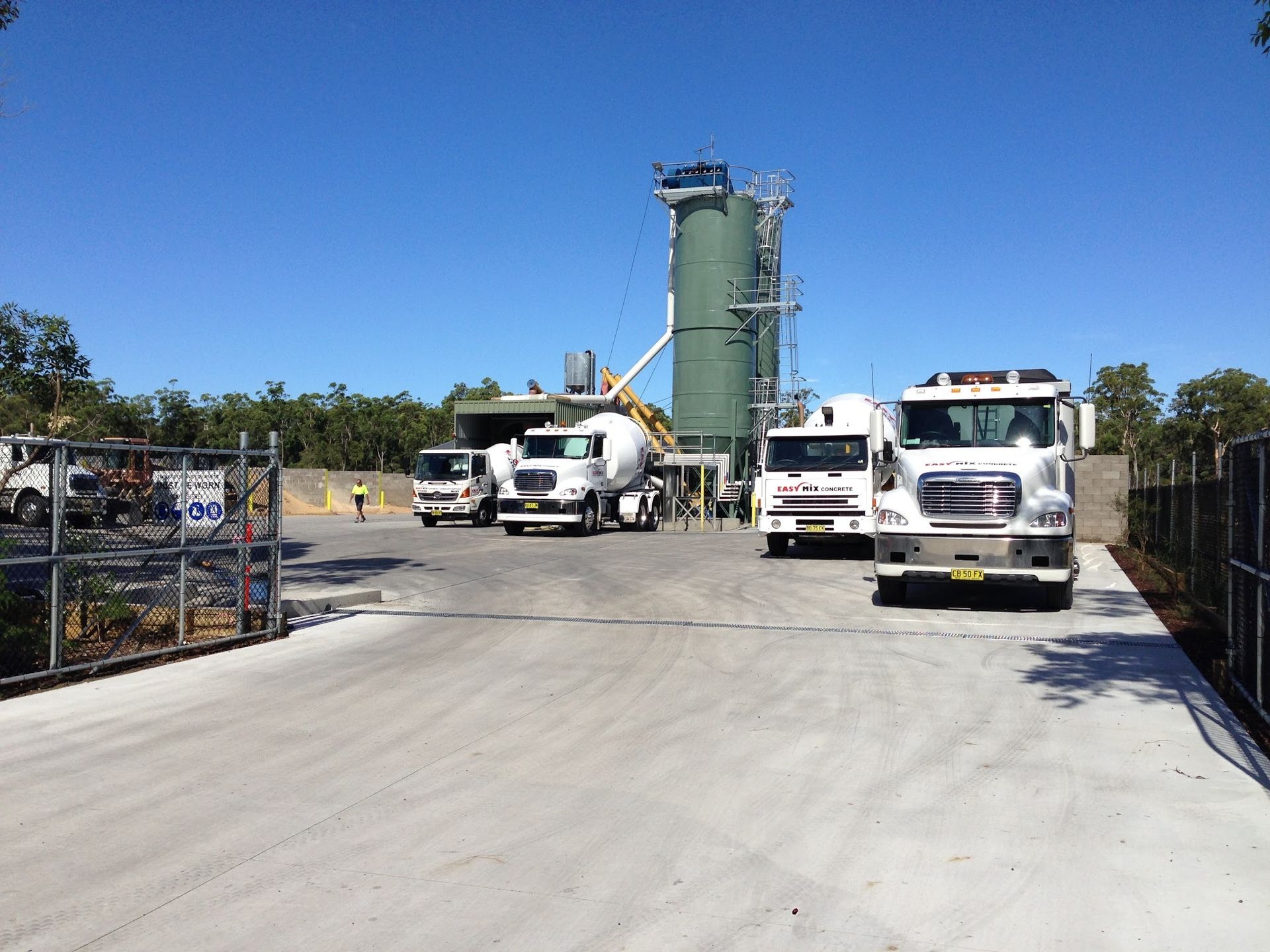
We at Easy Mix Concrete supply standard concrete across the Central Coast in a range of strength grades suited to residential driveways, slabs, paths and more. If you're planning a project and want guidance on the right mix for your application, get in touch with our team for a free quote — we're here to help you get it right from the start.