Sealing Decorative Concrete: Why It’s Essential For Long-Lasting Results
Decorative concrete is known for adding colour, character and visual appeal to outdoor and indoor spaces, but many property owners don’t realise how much protection it actually needs. While decorative concrete is tough, it isn’t invincible. Sun exposure, moisture, spills and everyday wear gradually take a toll, leaving surfaces looking faded or patchy long before their time. Sealing is what keeps decorative concrete looking fresh, vibrant and durable, turning a great installation into a long-lasting investment.
Whether you’re working with exposed aggregate, coloured concrete, stamped patterns or polished finishes, sealing provides a crucial barrier against damage. Understanding why sealing matters, how it works and when to schedule maintenance is essential for anyone wanting long-term results from their decorative concrete.
1. Sun, Rain and Wear: Why Decorative Concrete Needs a Protective Seal
Decorative concrete faces constant exposure — UV rays that dull colour, rain that encourages moisture penetration and foot or vehicle traffic that slowly wears the surface. Without sealing, these elements work together to shorten the lifespan of the surface and diminish its appearance. A protective seal acts like a shield, helping decorative concrete withstand harsh outdoor conditions while maintaining its texture and finish.
Common forms of environmental wear include:
- UV fading that lightens coloured or stained surfaces.
- Water absorption that leads to mould, efflorescence or weakening of the top layer.
- Abrasion from daily foot traffic or vehicle movement.
- Staining from oils, leaves, soil or organic matter.
Sealing helps prevent these issues from setting in and keeps decorative concrete performing at its best.
2. How Sealers Work Beneath the Surface to Strengthen Decorative Finishes
A quality sealer doesn’t just sit on top of concrete, it penetrates the surface and bonds with the material. This creates a durable layer that reduces porosity, increases resistance to moisture and shields the decorative finish from early degradation. Concreters who specialise in decorative concrete on the Central Coast apply sealers selected specifically for the surface type, ensuring compatibility with textured, pigmented or patterned concrete.
These coatings can also enhance surface hardness, meaning stamped or exposed areas stay intact longer. By reducing how much water, dirt or contaminants can enter the concrete, sealers maintain structural performance and preserve the decorative finish beneath.
3. Enhancing Colour and Texture: The Visual Benefits Property Owners Notice Immediately
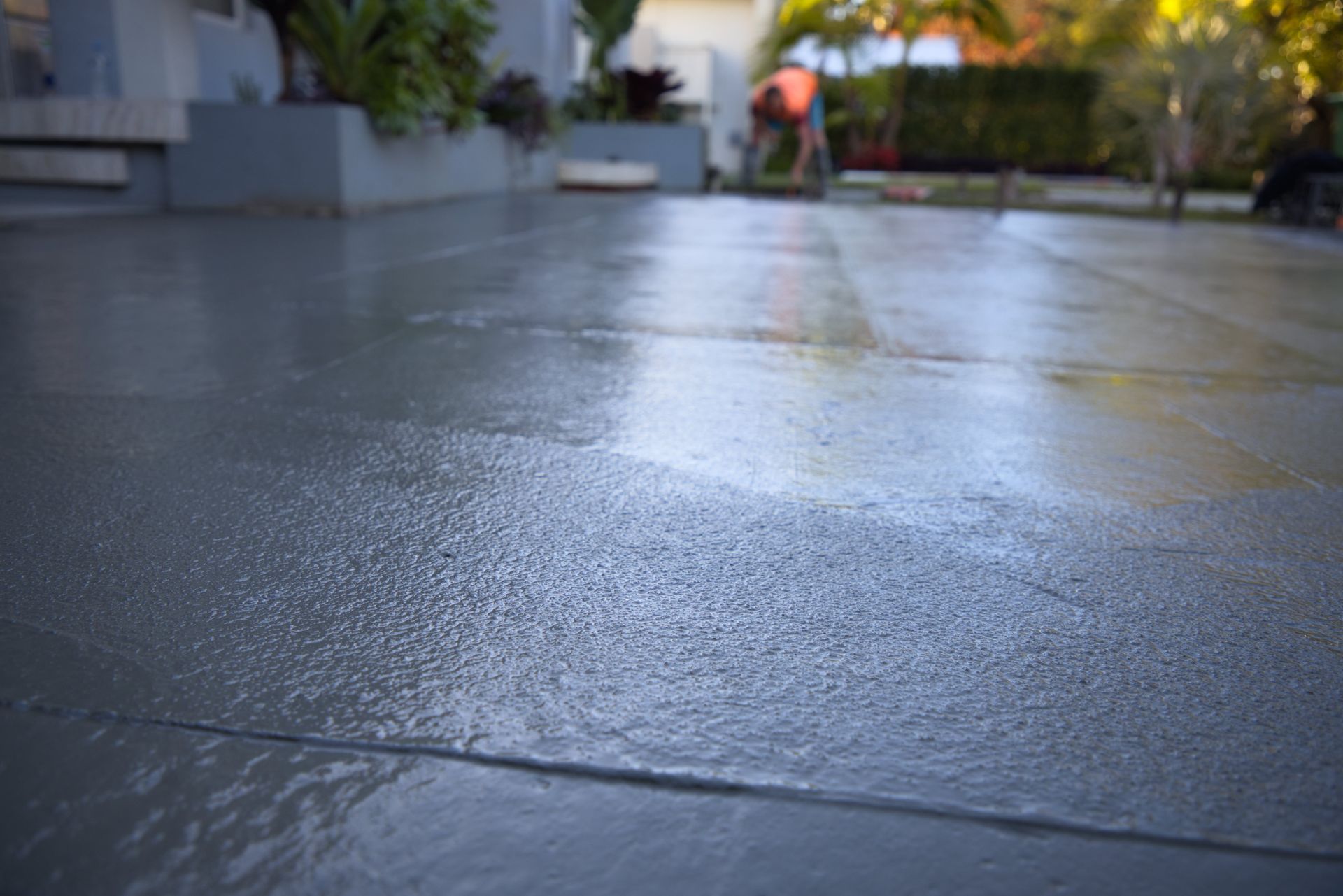
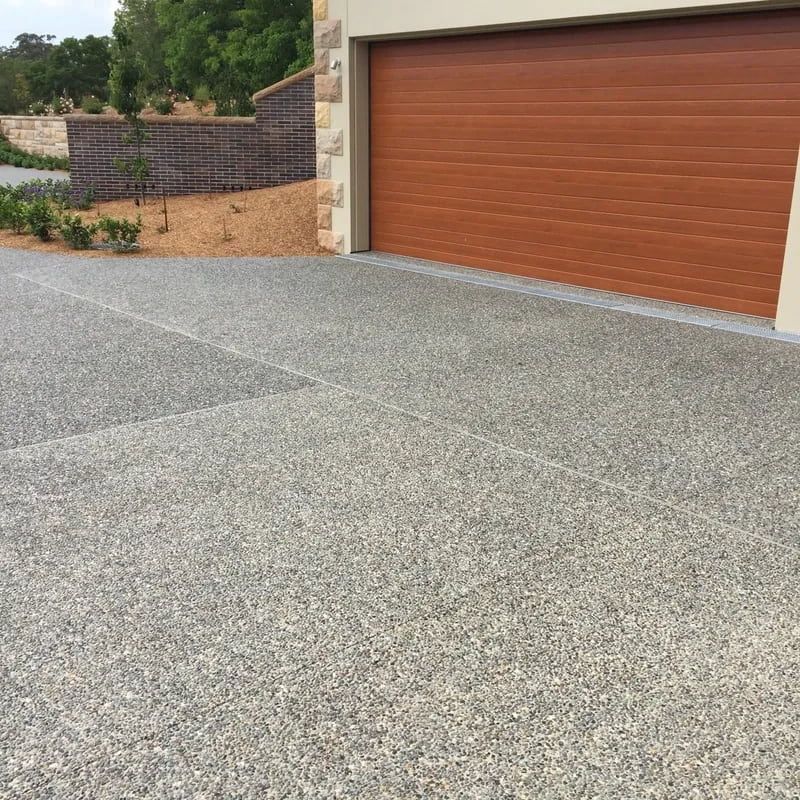
One of the most noticeable benefits of sealing is its ability to enhance the appearance of decorative concrete. Colour appears richer, exposed stones become more defined and stamped patterns gain depth and contrast. Sealing highlights the natural variations and details that make decorative concrete such an attractive choice in the first place.
Decorative concrete types that benefit visually from sealing include:
- Coloured concrete driveways and pathways.
- Stamped or textured surfaces with patterned finishes.
- Exposed aggregate with natural stone variation.
- Polished or decorative indoor concrete areas.
The right sealer can bring out clarity and vibrancy, making the surface look refreshed and well-maintained year after year.
4. Preventing Stains, Marks and Surface Contamination Before They Set In
Stains are one of the most common issues that affect unsealed decorative concrete. Oil spills, leaf tannins, drinks, dirt and even everyday foot traffic can all leave behind marks that soak into porous surfaces. Moisture and organic matter can also lead to mould or algae growth, especially in shaded or damp areas. Sealing creates a barrier that stops these contaminants from penetrating deeply, making routine cleaning much easier.
Before applying sealer, concreters prepare the surface by washing, treating and removing any buildup. This ensures the sealer bonds properly and prevents imperfections from being locked under the coating. With correct preparation and application, sealed concrete remains cleaner and requires far less maintenance.
5. How Often Decorative Concrete Should Be Resealed for Maximum Longevity
Like any protective coating, sealers gradually wear down over time. Weather, traffic and cleaning habits all influence how long a sealer lasts. Regular resealing is the key to preserving durability and appearance, especially for high-traffic or outdoor areas. Concreters generally recommend resealing decorative concrete every few years to maintain maximum protection.
Clear signs that a surface needs resealing include:
- Colour appearing dull or faded.
- Water no longer beading on the surface.
- Patches becoming more porous or rough.
- Increased staining or darker wet spots after rain.
By staying ahead of wear, resealing prevents damage from reaching the concrete itself.
6. Avoiding Cracks and Surface Wear: Why Sealing Supports Long-Term Durability
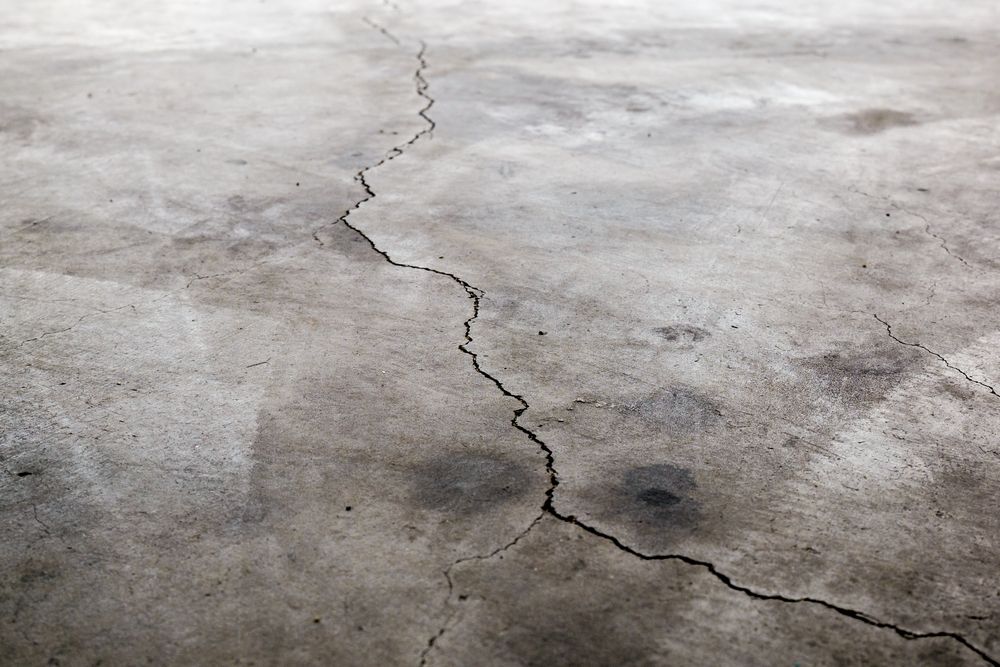
Cracks, surface wear and moisture-related deterioration often begin when the surface becomes vulnerable. Sealing helps strengthen decorative concrete by reducing the amount of water and contaminants that penetrate the material. This limits internal pressure that leads to cracking and slows down surface abrasion caused by foot traffic, tyres or dragging items across the surface.
Durability is especially important for outdoor areas exposed to the elements. Sealing stabilises the surface layer, protects decorative treatments and helps prevent the early breakdown that unsealed concrete typically experiences. With the right sealing routine, decorative concrete stays structurally sound much longer.
7. DIY vs Professional Sealing: What Concreters Do Differently for Better Results
DIY sealing may look straightforward, but the results often fall short of what professionals can achieve. Concreters bring expertise in surface preparation, sealer selection and application techniques that directly affect longevity. They understand how weather conditions, curing times and concrete type influence the final finish, which helps prevent streaking, bubbling or patchiness.
Advantages of professional sealing include:
- Access to commercial-grade sealers not found in hardware stores.
- Proper cleaning, acid washing or surface prep before sealing.
- Even application to avoid uneven sheen or missed areas.
- Correct curing times that extend sealer life and performance.
These steps give decorative concrete the lasting protection it needs without the risk of early failure.
8. Planning Ahead: When to Seal Newly Poured Decorative Concrete for Best Performance
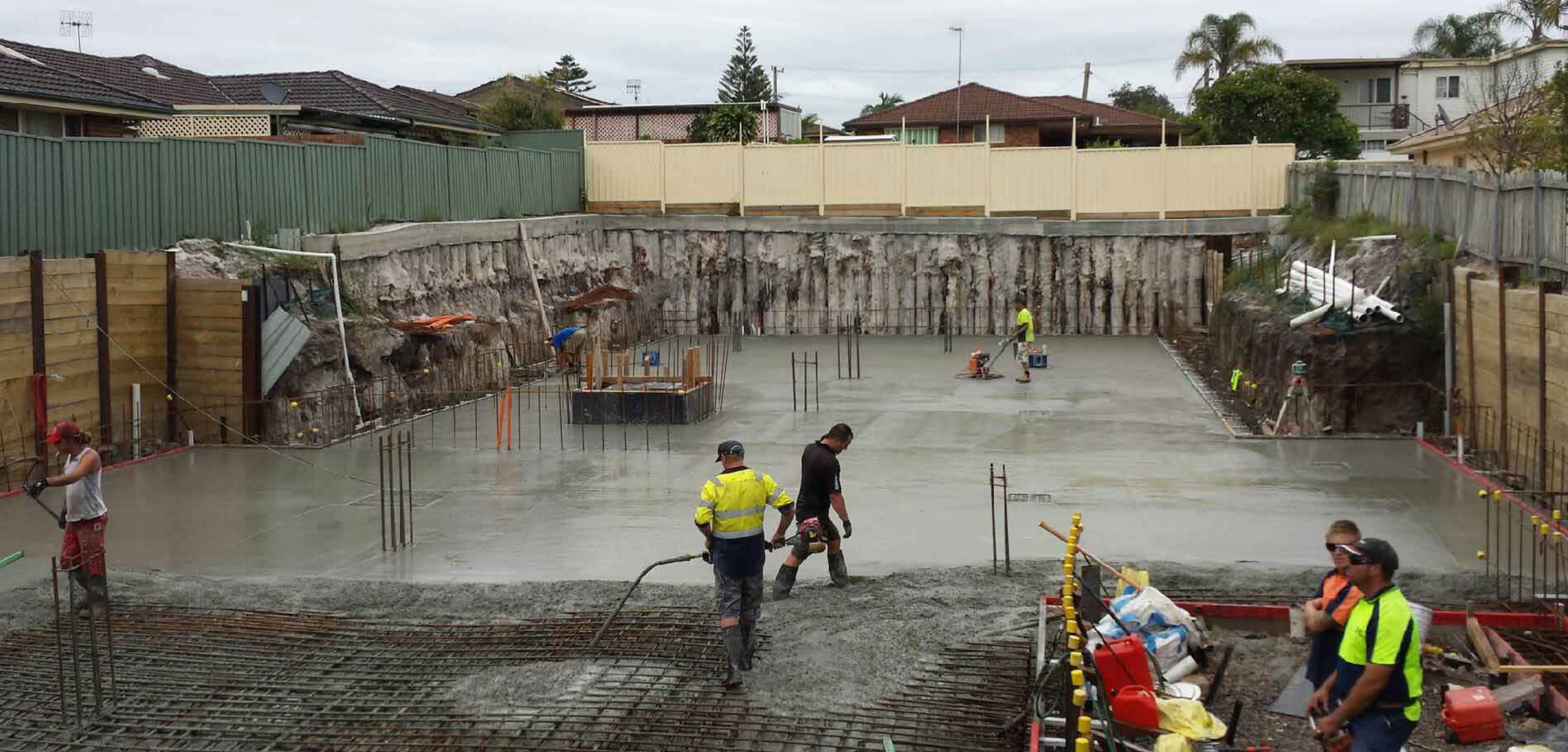
Timing is critical when sealing new decorative concrete. The surface needs to cure properly before sealing, but it shouldn’t be left unprotected for too long. Concreters assess moisture levels, curing conditions and environmental factors before choosing the ideal sealing timeframe. Temperature, humidity and exposure all influence when a new installation should be sealed to achieve the strongest bond and longest-lasting results.
Seasonal timing also matters. Avoiding extremely hot, cold or wet conditions ensures the sealer adheres evenly and dries correctly. By planning ahead, property owners can ensure their new decorative concrete receives protection right when it needs it most.
We at Easy Mix Concrete help property owners protect and enhance their decorative concrete throughout the Central Coast, where sun exposure and coastal conditions can quickly wear down unsealed surfaces. Our team supplies and installs durable finishes for decorative concrete projects, and as trusted concrete suppliers on the Central Coast, we ensure your surface receives long-lasting protection. To organise sealing or discuss decorative concrete options, visit https://www.easymixconcrete.com.au/ and speak with our team today.