How Long Does Concrete Take To Set? Curing Times Explained
If you’re wondering how long does concrete take to set, most standard concrete will become firm enough for light foot traffic within about 24–48 hours. However, setting is not the same as curing. Concrete continues gaining strength for weeks after the pour, with 28 days commonly used as the benchmark curing period for standard concrete. That distinction matters when planning a driveway, path, slab or other concrete project. Walking on concrete too early can damage the surface, while putting vehicles or heavy loads on it before it has developed enough strength can cause cracking or other problems.
What Is the Difference Between Concrete Setting Time and Curing Time?
Concrete setting time describes the period when freshly poured concrete changes from a workable material into a hardened mass. Concrete curing time, on the other hand, is the much longer process during which cement continues to hydrate and the concrete develops strength. Concrete does not simply “dry” like paint. Cement reacts chemically with water, which is why maintaining suitable moisture and temperature conditions after placement is important.
As a practical guide, a standard concrete project generally follows this timeline:
- First several hours: The concrete begins setting and should remain protected from traffic and disturbance.
- Around 24–48 hours: Light foot traffic may generally be possible, subject to the mix and site conditions.
- Around 7 days: The concrete has developed a substantial proportion of its eventual strength, although heavy loading may still be inappropriate.
- Around 28 days: This is the standard reference point used for specified concrete compressive strength.
These aren't universal deadlines. Mix design, slab dimensions, weather, finishing and curing conditions can all change how quickly concrete becomes suitable for use.
How Long Does Concrete Take to Dry After Pouring?
People often ask how long does concrete take to dry, but drying and curing are separate processes. Concrete can feel dry and hard at the surface while hydration and strength development are still occurring inside the slab.
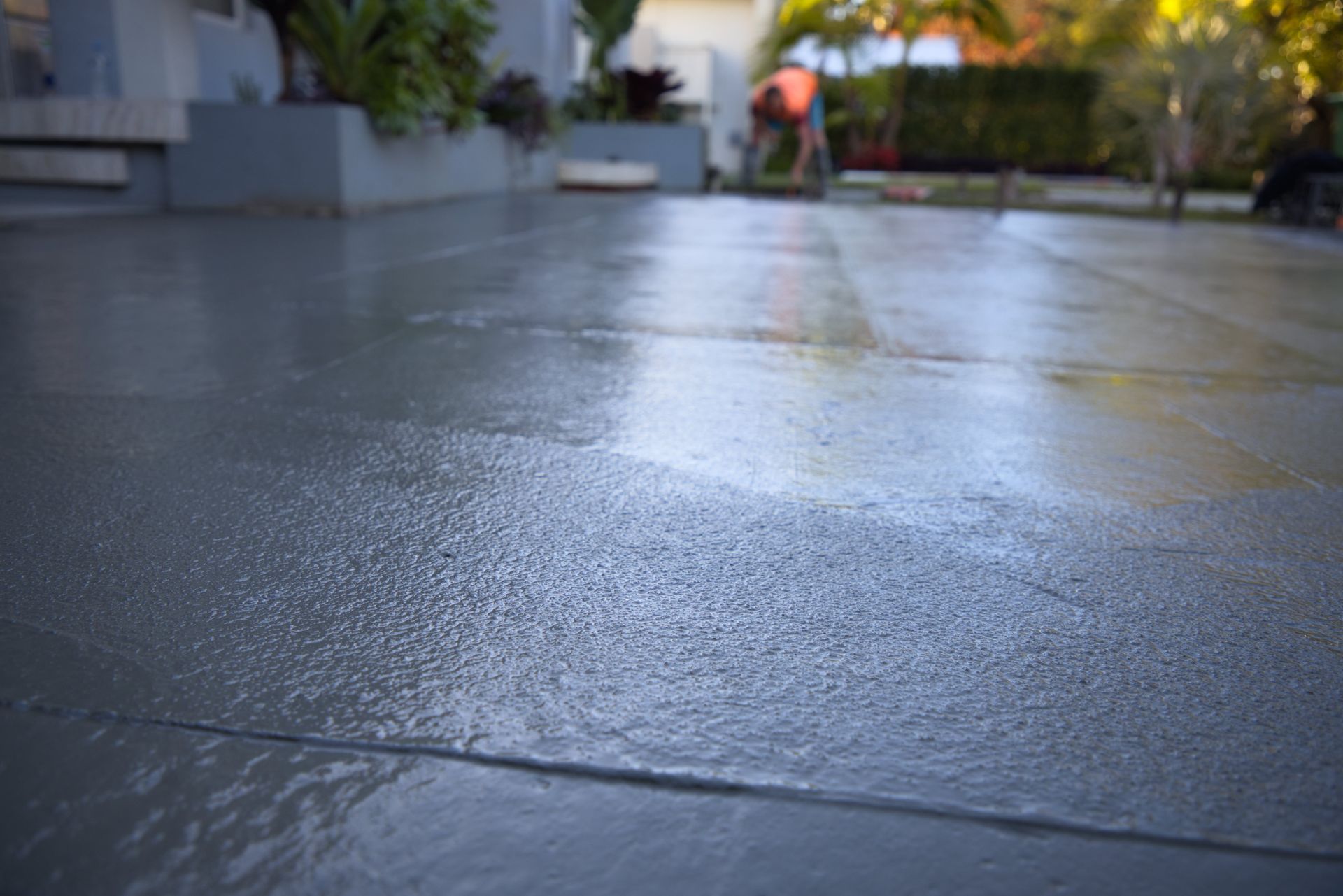
This is particularly important with thicker pours. A slab that looks finished after a day or two should not automatically be treated as fully cured. According to industry best practice, newly placed concrete should receive appropriate curing rather than being allowed to lose moisture too quickly. Depending on the project, curing methods can include keeping the surface moist, covering the concrete or applying an appropriate curing compound.
Good curing helps the concrete achieve its intended durability and strength while reducing the risk of excessive early-age shrinkage.
What Is the Typical Concrete Setting Time in Australia?
There is no single concrete setting time Australia wide because conditions vary significantly between projects and seasons. Fresh concrete can begin stiffening within hours, but temperature, mix design and site conditions determine the actual setting rate. On the Central Coast, for example, a warm summer driveway pour can behave quite differently from the same mix placed on a cool winter morning. Hot, dry or windy conditions can increase moisture loss from the exposed surface, while colder temperatures generally slow cement hydration and strength development. This is one reason the concrete mix and delivery arrangements should suit the actual job rather than relying on a generic timeline. Choosing the right mix grade from concrete suppliers Central Coast wide is an important first step towards achieving the required workability, strength and long-term performance.
When Can You Walk on Concrete After Pouring?
For standard residential concrete, light foot traffic is generally best avoided for at least the first 24 hours, with 24–48 hours providing a more practical guide in suitable conditions. The exact timing depends on the mix, temperature, curing conditions and type of slab. Even when the surface appears hard, young concrete remains vulnerable. Avoid dragging furniture, dropping tools or placing concentrated loads on it during the early curing period. Pets also deserve consideration. Claws can mark concrete that seems firm enough to a person but has not developed sufficient surface hardness.
Example: A homeowner has a new garden path poured on a mild Central Coast morning. The surface looks hard the following day, but instead of immediately moving pot plants and outdoor furniture onto it, they keep the area clear while curing continues. That simple precaution reduces unnecessary loading during an important stage of strength development.
How Long Before You Can Drive on Concrete?
If you've poured a new concrete driveway, waiting around seven days before allowing normal passenger vehicles onto it is a common practical guideline, provided the concrete has been correctly specified, placed and cured and conditions have been suitable. Heavier vehicles may require considerably longer. A driveway has to cope with more than the total weight of a vehicle. Tyres apply concentrated loads, while turning or braking can create additional stresses at the surface and around slab edges.
The appropriate waiting period can therefore depend on:
- Concrete strength and mix design
- Slab thickness and reinforcement
- Ground and sub-base preparation
- Curing conditions
- Vehicle type and weight
- Ambient temperatures after the pour.
For heavy utes, loaded trailers, trucks or construction equipment, don't assume that a driveway suitable for a passenger car is ready for heavier traffic. Where loading is significant, follow the project specification or advice from the relevant concreting professional.
How Long Is Concrete Drying Time for a Driveway?
Concrete drying time for a driveway can extend well beyond the point when the driveway is safe to walk or drive on. Moisture can remain within the slab as concrete continues curing and later drying. For most homeowners, the more useful question is therefore not “Is the concrete completely dry?” but “Has it developed enough strength for the load I want to place on it?” A driveway may support normal use before all excess internal moisture has left the slab. Conversely, a surface that looks pale and dry is not proof that the concrete has reached its design strength. This distinction becomes particularly important if you plan to apply coatings, sealers or other moisture-sensitive finishes. Follow the product manufacturer's requirements rather than judging readiness from appearance alone.
What Factors Affect Ready-Mix Concrete Setting Time?
Ready-mix concrete setting time is affected by the mix itself and the environment in which it is placed. Two pours delivered at different times of year can therefore behave differently even if they serve similar purposes.
How Does Mix Strength Affect Concrete Cure Time?
Concrete mixes are designed for specific performance requirements. Cementitious content, water-to-cementitious-material ratio, aggregates and admixtures can all influence workability, setting characteristics and strength development. Higher specified strength does not simply mean that every aspect of curing happens faster. The concrete needs to be selected for the application, placed correctly and given appropriate curing conditions. For homeowners and owner-builders, this is where discussing the intended use with a ready-mix supplier matters. A footpath, shed slab and vehicle driveway can have different performance requirements.
How Does Temperature Affect Concrete Setting?
Temperature has a major influence on cement hydration. Warm conditions generally accelerate setting and early strength development, while cold conditions slow them down. Hot weather creates another problem: rapid moisture loss. Direct sun, warm concrete, low humidity and wind can cause the surface to lose water quickly, increasing the risk of plastic shrinkage cracking and making finishing more difficult. Adding extra water on site simply to make concrete easier to work is not a good solution. Uncontrolled additional water can alter the designed mix proportions and potentially reduce concrete performance.
How Does Humidity Affect Concrete Curing?
Humidity influences how quickly moisture evaporates from exposed concrete. Low humidity, particularly when combined with heat or wind, can accelerate surface moisture loss. Higher humidity can reduce evaporation, but it doesn't remove the need for appropriate curing. The goal is to maintain conditions that allow hydration to continue effectively during the critical early period.
Does Slab Thickness Change Concrete Cure Time?
Yes. The dimensions of a pour affect its thermal and moisture behaviour, although thickness alone does not determine when concrete is safe to load. A thin path or topping has a high exposed surface area relative to its volume, which can make it susceptible to rapid moisture loss. A deep or mass concrete pour can retain more heat internally as hydration occurs and may require different temperature-control considerations. The important point is to treat the slab as an engineered material rather than assuming every concrete pour follows exactly the same timetable.
How Can You Help Concrete Cure Properly?
Proper curing starts as soon as finishing operations allow. The aim is to limit premature moisture loss and provide suitable conditions for cement hydration and strength development.
Depending on the job and specification, good practice may include:
- Protect the fresh surface. Keep people, pets, tools and other loads away during the initial set.
- Control moisture loss. Use the curing method appropriate to the project, such as water curing, coverings or a suitable curing compound.
- Consider the weather. Heat, wind, low humidity and cold conditions can all require changes to placement and curing practices.
- Avoid premature loading. A hard-looking surface doesn't mean the full slab is ready for vehicles or equipment.
- Start with the appropriate mix. Tell your ready-mix supplier what you're pouring and how the finished concrete will be used.
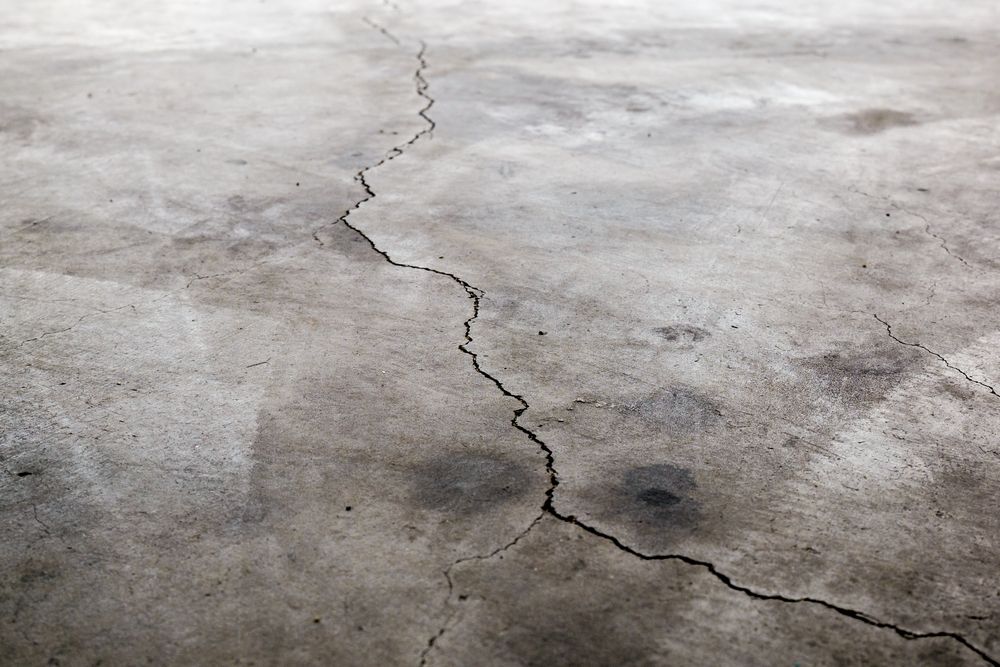
Curing also plays an important role in managing cracking risk. Rushing the process or allowing excessive early moisture loss can contribute to cracking; our guide on
how to stop concrete cracking explains the causes and prevention measures in more detail.
What Is the Concrete Cure Time on the Central Coast?
For a typical Central Coast residential project, use the standard curing milestones as a planning guide rather than a guarantee: protect the concrete during the first day, allow roughly 24–48 hours before light foot traffic where conditions permit, and allow around seven days before typical passenger vehicle traffic on a correctly designed and cured driveway. The concrete cure time Central Coast projects require can change with seasonal conditions, mix design and the type of pour. Hot weather, coastal conditions, wind exposure and cooler winter temperatures can all influence the early curing environment.
For structural work, unusual loading or projects with specified strength requirements, follow the engineer's, builder's or concreter's requirements rather than relying on a general residential timeline. The key takeaway is simple: concrete setting is measured in hours, but meaningful strength development takes days and continues for weeks. Starting with the right ready-mix concrete and following proper curing practices will help your slab achieve the strength and durability it was designed for. If you’re planning a driveway, slab, path or other concrete project on the Central Coast,
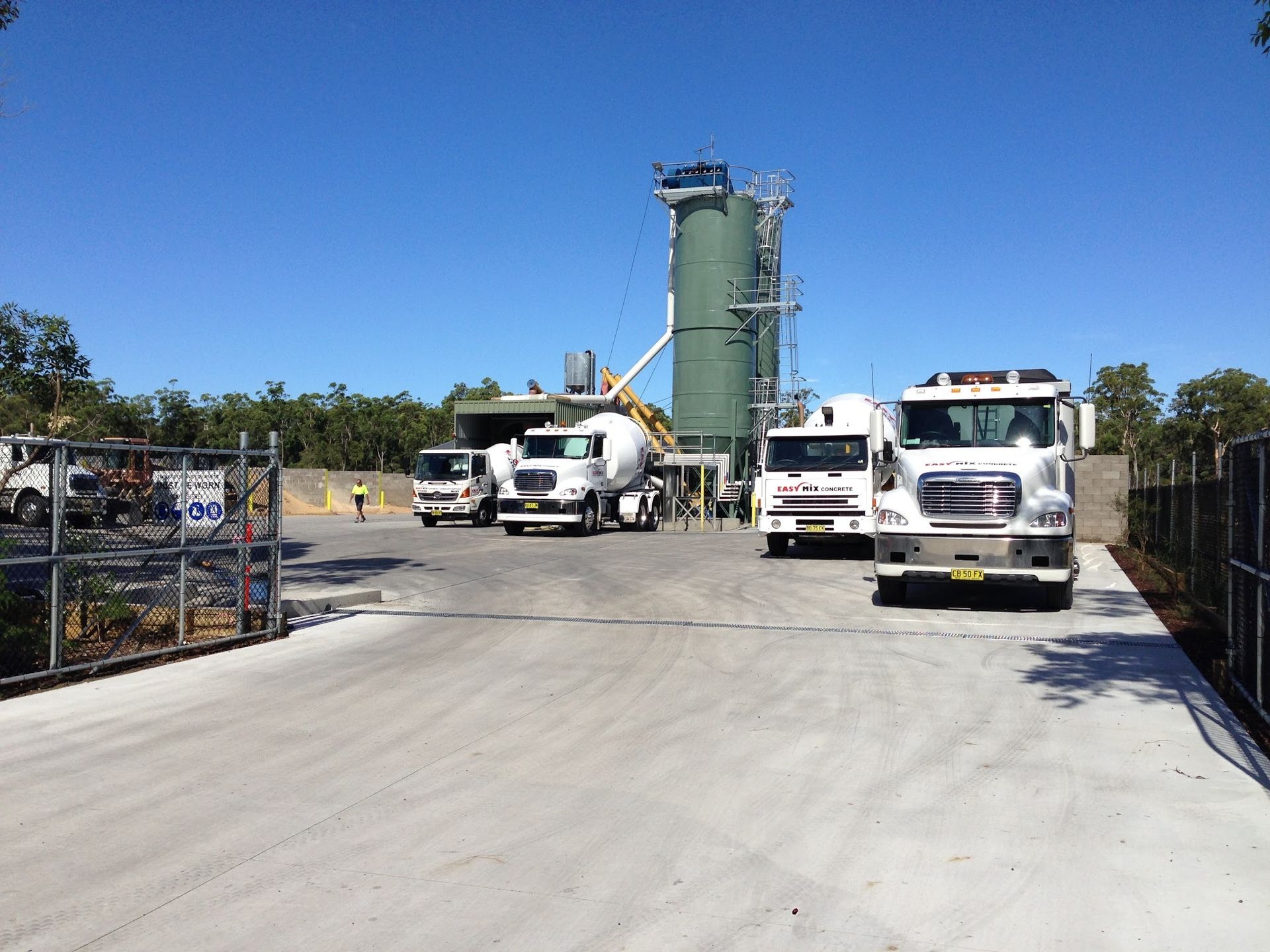
Easy Mix Concrete can supply the right concrete mix for the job and help you plan your pour with confidence.
Frequently Asked Questions About Concrete Setting and Curing
How long does concrete take to set?
Concrete normally begins setting within several hours of placement, although the exact time varies with the mix and conditions. Keep fresh concrete protected during this initial period and don't treat initial hardening as full strength.
When can you walk on concrete after pouring?
Light foot traffic is commonly possible after approximately 24–48 hours under suitable conditions. Weather, mix design and curing can change this timeframe, so avoid heavy or concentrated loads during the early curing period.
How long before you can drive on concrete?
Around seven days is a common practical guideline before allowing normal passenger vehicles onto a properly designed and cured residential driveway. Heavy vehicles may require a longer wait, and project-specific requirements should always take priority.
Is concrete fully cured after 28 days?
Twenty-eight days is the standard reference age commonly used for specified compressive strength, but concrete doesn't suddenly stop changing on day 28. Hydration and strength development can continue beyond this point when conditions allow.
Does concrete cure faster in hot weather?
Higher temperatures generally accelerate setting and early hydration, but faster isn't necessarily better. Hot, dry and windy conditions can cause excessive surface moisture loss, so appropriate curing becomes especially important.
What happens if you don't cure concrete properly?
Poor curing can reduce the concrete's ability to develop its intended strength and durability and can increase the risk of surface defects and shrinkage-related cracking. Protecting moisture during the early curing period supports better long-term performance.