Understanding Concrete Strength Grades and What to Order for Your Project
Concrete is one of the most widely used construction materials across residential, commercial and infrastructure projects. From house slabs and driveways to structural foundations and industrial flooring, concrete plays a central role in supporting modern buildings and structures. While it may look similar once poured and finished, not all concrete mixes are the same.
Different construction projects require different levels of strength and durability. This is where concrete strength grades become important. Builders, contractors and project managers often refer to grades such as N20, N25 or N32 when ordering concrete. These classifications indicate the compressive strength the concrete is designed to achieve once it has cured.
Understanding these grades can help construction professionals and property owners choose the most suitable mix for their project. Selecting the appropriate strength grade helps align the concrete with structural requirements, environmental conditions and intended use. By working with knowledgeable concrete suppliers, builders can order mixes suited to both residential and commercial applications while supporting compliance with Australian construction standards.
What Concrete Strength Grades Actually Mean in Construction Projects
Concrete strength grades refer to the compressive strength a concrete mix is designed to achieve after curing. In Australia, this strength is measured in megapascals (MPa) and expressed using an “N” classification followed by a number.
For example, an N20 mix is designed to reach a compressive strength of 20 MPa after curing. Higher numbers represent mixes that can withstand greater loads and structural demands.
Concrete suppliers produce a range of mixes so builders can select materials suited to different applications.
Common concrete grades used in construction include:
- N20 often used for paths, residential slabs and basic applications
- N25 frequently selected for driveways and lightly loaded surfaces
- N32 commonly used for structural slabs and reinforced concrete
- Higher strength grades used in commercial construction and engineering projects
Understanding these classifications allows construction teams to match the strength of the concrete with the structural requirements of the project.
Why Choosing the Correct Concrete Grade Matters for Structural Performance
Concrete strength plays an important role in how structures perform over time. Different construction elements experience different loads and stresses, which means the concrete used must be suited to those demands.
If a concrete mix does not meet the structural requirements of a project, the finished structure may experience performance issues in the future. Builders often consult with concrete suppliers on the Central Coast when determining which mix aligns with engineering specifications.
Selecting the appropriate strength grade helps support:
- Structural load requirements specified in building plans
- Long-term durability in areas exposed to traffic or weight
- Resistance to cracking or surface deterioration
- Compliance with engineering and building requirements
Matching the correct concrete grade to each part of a project helps support structural integrity while aligning with construction documentation.
Common Concrete Grades Used for Residential Construction Projects
Residential construction often relies on standard concrete grades designed for typical structural loads. The grade chosen usually depends on where the concrete will be used within the home or property.
Builders and contractors frequently work with Central Coast concrete suppliers when planning residential pours so that the concrete mix aligns with both the design and site conditions.
Examples of residential applications and their typical concrete grades include:
- N20 for garden paths, patios and lightly loaded slabs
- N25 for residential driveways exposed to vehicle traffic
- N32 for reinforced house slabs and structural footings
- Concrete mixes used in outdoor entertaining areas or pathways
Each area of a property may require a slightly different concrete mix depending on the structural load and intended use.
Understanding Higher Strength Concrete for Commercial and Structural Work
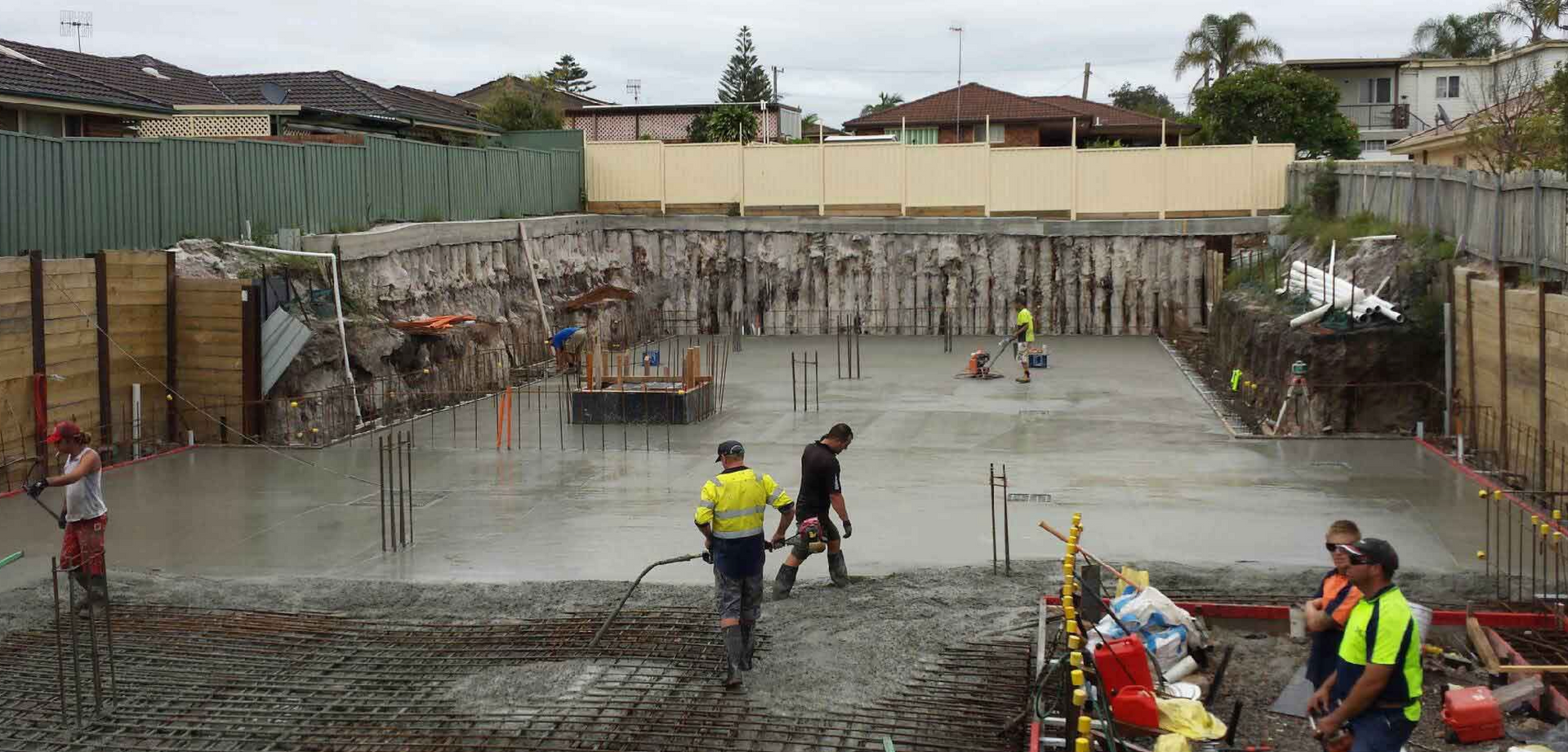
Commercial and industrial projects often involve heavier loads and more complex structural designs. In these situations, higher strength concrete grades may be specified by engineers.
These mixes are designed to withstand increased pressure, heavy equipment loads or large structural spans. Construction teams working on these projects often collaborate with concrete suppliers to ensure the supplied mix matches engineering specifications.
Higher strength concrete may be used in projects such as:
- Multi-storey building foundations and structural columns
- Large commercial floor slabs
- Structural beams and reinforced concrete elements
- Infrastructure works including bridges or retaining structures
These projects often require concrete mixes specifically designed to support significant structural loads.
Environmental Conditions That Can Influence Concrete Selection
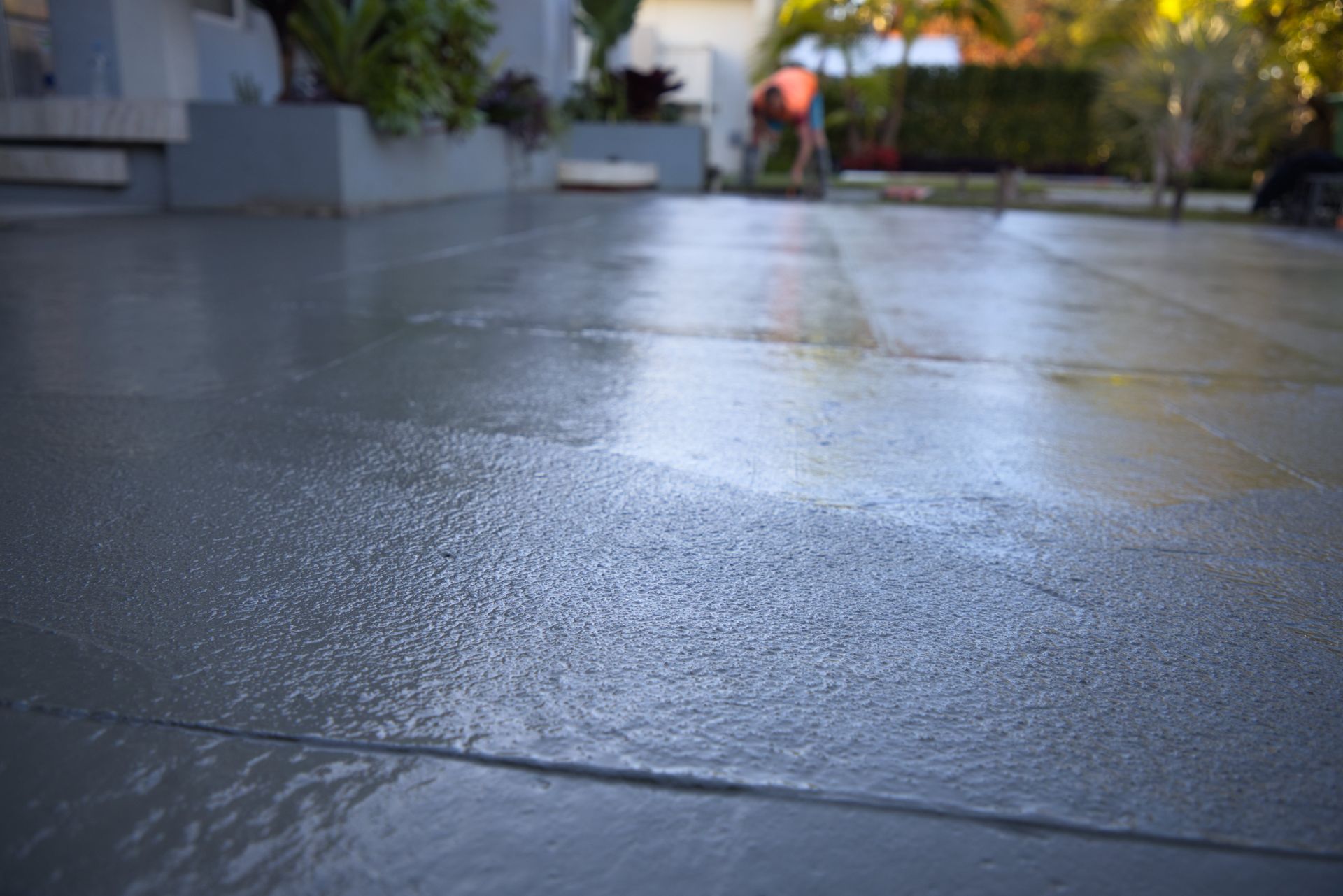
Environmental conditions can influence how concrete behaves both during curing and over the lifespan of a structure. Factors such as moisture exposure, soil movement and temperature changes can affect durability and performance.
Builders often review environmental conditions before selecting a concrete mix. Working with concrete suppliers Central Coast allows construction teams to consider these conditions during the ordering process.
Environmental factors that may influence concrete selection include:
- Coastal moisture and salt air exposure
- Soil conditions that may affect ground movement
- Temperature conditions during curing
- Long-term exposure to weather or moisture
These factors can play a role in determining which concrete mix is suitable for a particular construction environment.
Working With Concrete Suppliers to Select the Right Mix for Your Project
Ordering concrete usually involves collaboration between builders, engineers and suppliers. Concrete suppliers provide mixes designed to meet a wide range of structural and construction requirements.
Before supplying concrete, providers may ask questions about the project so they can prepare the correct mix.
Information commonly discussed when ordering concrete may include:
- The type of structure being built
- The required strength grade listed in project plans
- Site conditions and environmental exposure
- Access requirements for delivery vehicles
Providing this information helps suppliers prepare mixes suited to the specific needs of the construction project.
Planning Concrete Delivery and Quantity for Construction Projects
Accurately calculating how much concrete is required is an important step before placing an order. Builders usually estimate the required volume by measuring the length, width and depth of the area being poured.
Ordering the correct volume helps prevent interruptions during construction.
Considerations when planning concrete delivery include:
- Calculating the required cubic metres of concrete
- Coordinating delivery with construction schedules
- Preparing formwork and reinforcement before the pour
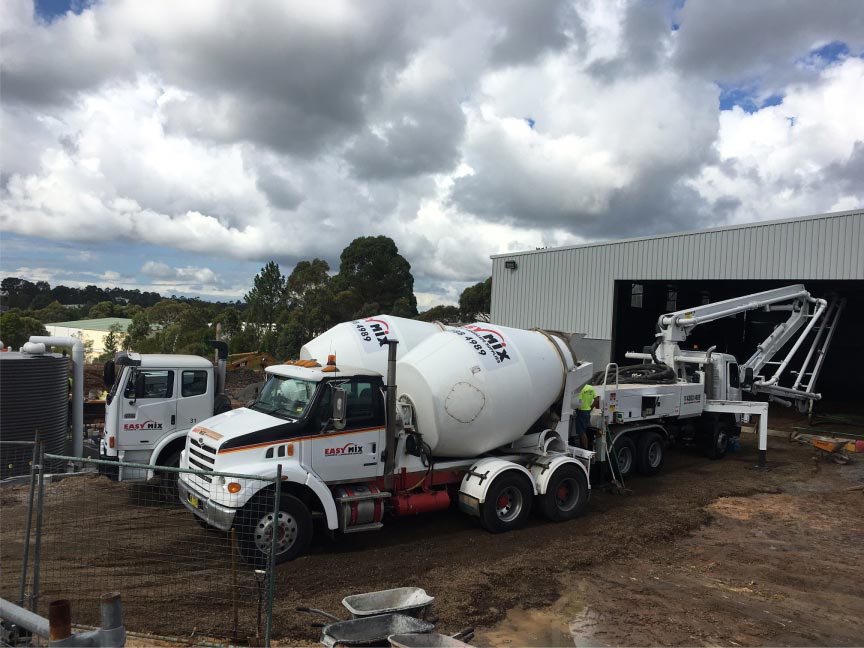
- Confirming site access for concrete trucks
Careful planning helps ensure the concrete pour proceeds smoothly and without delays.
Understanding Australian Standards for Concrete Strength and Quality
Concrete used in construction projects is generally required to comply with relevant Australian Standards. These standards outline requirements for mix composition, testing procedures and structural performance.
Concrete suppliers follow these guidelines when producing mixes for construction use.
Compliance requirements may include:
- Concrete mixes meeting specified strength classifications
- Testing procedures to verify compressive strength
- Quality control during batching and supply
- Documentation supporting compliance with construction requirements
Following these standards helps support consistency and quality in construction materials supplied to building projects.
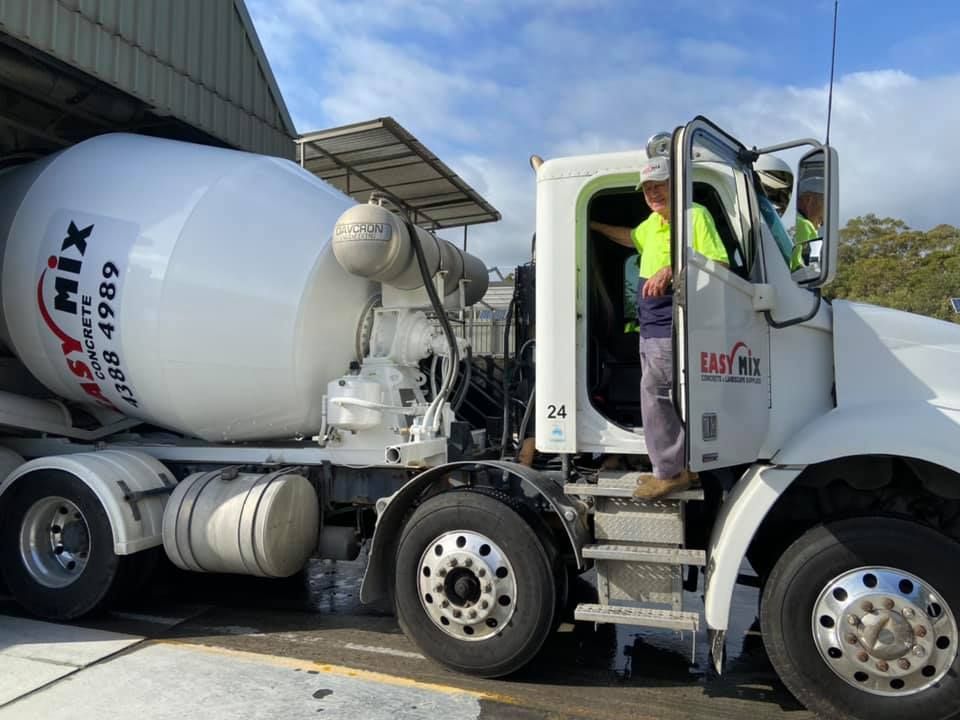
We at Easy Mix Concrete work with builders, contractors and developers across the Central Coast who require reliable concrete supply for residential and commercial construction projects. Local building conditions can include coastal moisture, changing temperatures and varied soil conditions, all of which may influence the type of concrete mix selected for a project.
If you are searching for concrete suppliers on the Central Coast, Central Coast concrete suppliers, or concrete suppliers near me, visit the website to contact our team and discuss your project requirements.