Ready-Mix Vs On-Site Concrete — Which Option Is Best For Your Project?
Concrete is one of those materials that seems straightforward until the details start to matter. Once a project moves from planning to construction, decisions around supply, timing, quality, and access quickly come into focus. One of the most common questions we see across residential, commercial, and infrastructure projects is whether ready-mix concrete or on-site mixed concrete is the better option.
Both approaches are widely used and both can deliver solid results when applied in the right context. The difference lies in how the concrete is produced, delivered, and managed on site, and how well that process aligns with the scope of work. Factors such as project size, pour timing, site access, quality expectations, and waste control all influence the final outcome. Understanding how each option performs in real-world conditions makes it easier to choose a solution that supports efficiency, consistency, and long-term performance.
When Ready-Mix Delivery Keeps Projects Moving Smoothly
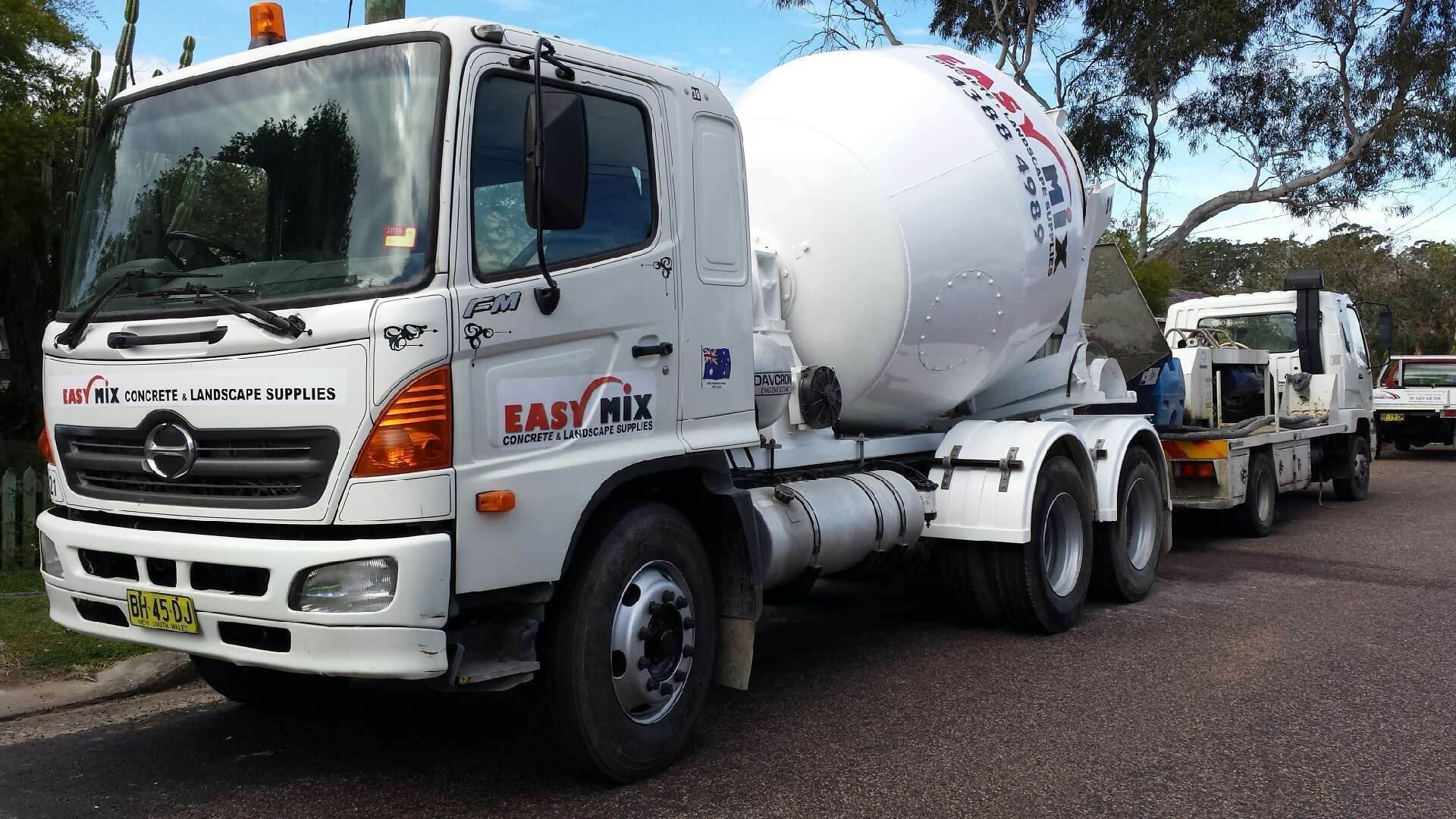
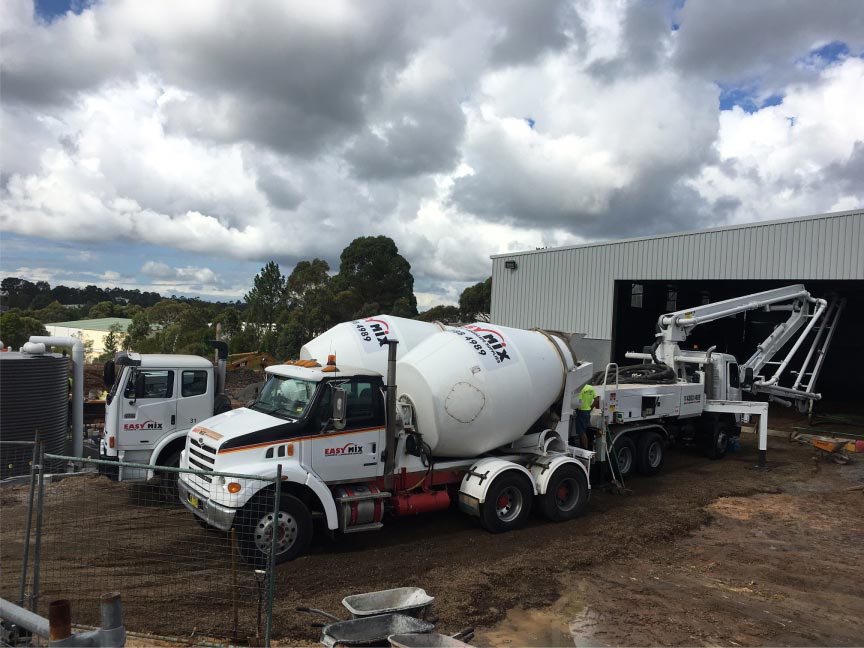
Ready-mix concrete is produced at a batching plant and delivered to site in a transit mixer, ready for immediate use. This method is commonly chosen for projects where efficiency, timing, and consistency are critical. By batching concrete in a controlled environment, we can plan pours with a high level of accuracy and reduce uncertainty on site.
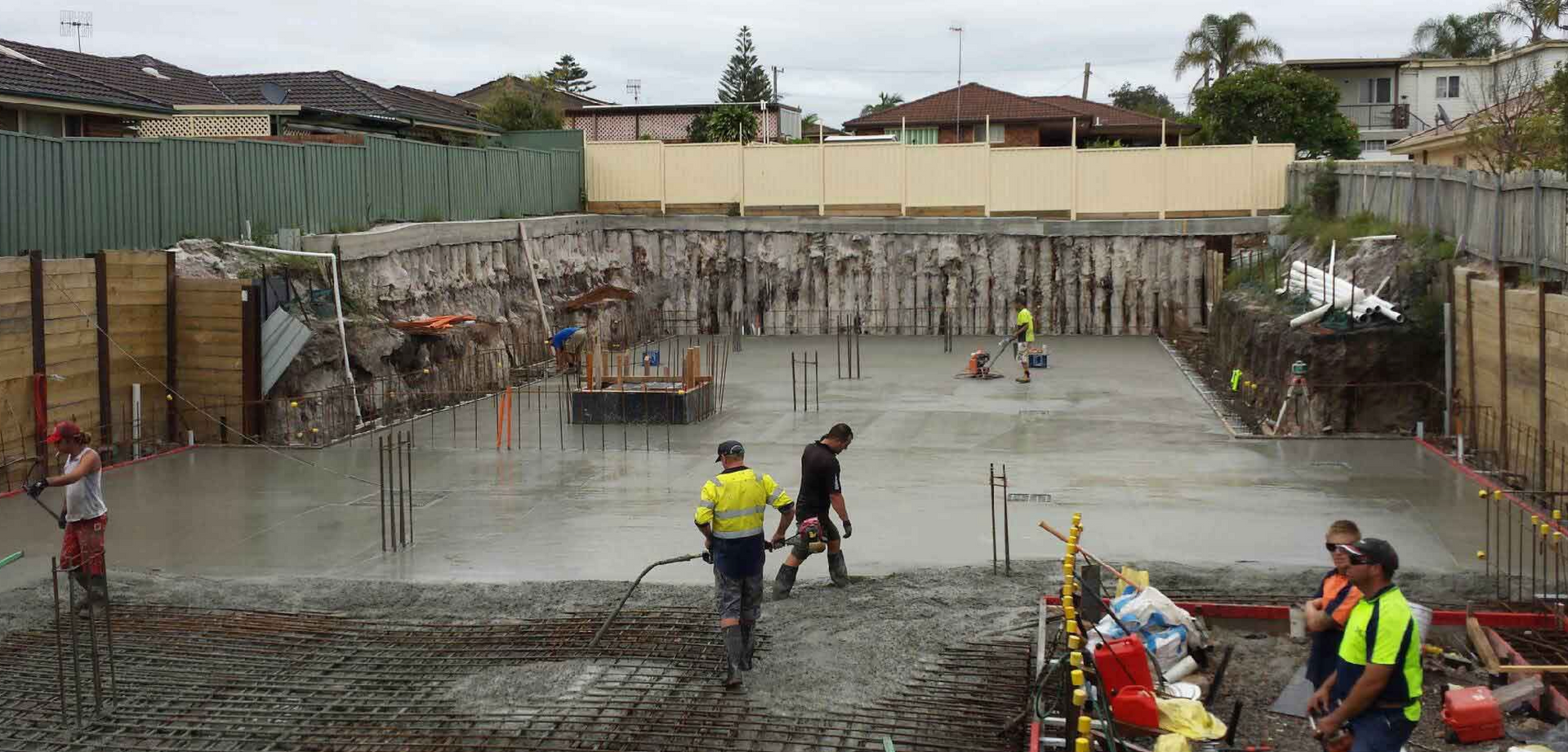
From a practical perspective, ready-mix delivery simplifies construction workflows. There is no need to manage raw materials, mixing equipment, or multiple small batches. Concrete arrives prepared to specification, allowing placement to begin as soon as the truck is positioned. This can be particularly valuable on larger slabs or where multiple trades are scheduled closely together.
Common advantages include:
- Consistent mix design produced under controlled conditions
- Faster placement that supports tighter construction schedules
- Reduced on-site labour, equipment, and handling requirements
For projects where time and coordination matter, ready-mix delivery often provides a smoother, more predictable process.
How On-Site Mixing Offers Flexibility for Smaller or Staged Jobs
On-site concrete mixing involves combining materials directly at the job location, either manually or using mobile mixing equipment. This approach is sometimes preferred for smaller-scale projects, maintenance works, or jobs that require multiple pours over an extended period. The ability to mix concrete as needed can help reduce excess material when volumes are uncertain.
On-site mixing also offers flexibility in situations where access for delivery vehicles is limited or where site conditions change frequently. Adjustments can be made during the job without relying on external delivery schedules. However, this flexibility comes with trade-offs. Achieving consistent strength and finish relies heavily on accurate measuring, thorough mixing, and suitable equipment. Variations between batches can occur if conditions or techniques differ, which may affect durability over time.
Comparing Quality Control Between Plant-Batched and Site-Mixed Concrete
Quality control is a major consideration when selecting how concrete is supplied. Ready-mix concrete benefits from controlled batching processes where material ratios, moisture levels, and mixing times are carefully managed. This consistency supports predictable strength development and uniform performance across the entire pour.
On-site mixed concrete depends more on manual processes. While experienced operators can achieve good results, there is a greater risk of variation between batches, particularly on larger jobs. Inconsistent measuring or mixing can lead to differences in workability and strength.
Key quality-related differences often include:
- Controlled batching and testing at production facilities
- Greater consistency across large or continuous pours
- Reduced likelihood of under- or over-strength mixes
For projects where structural performance and compliance are critical, consistent quality control can play a decisive role.
Cost Considerations That Influence the Right Concrete Choice
At first glance, on-site mixing can appear more cost-effective, particularly for small jobs. Material costs may be lower, and there is no delivery fee. However, this view often overlooks additional expenses such as labour, equipment hire, setup time, and the potential for waste. These factors can add up quickly, especially if work is delayed or material quantities are misjudged.
Ready-mix concrete typically has a clearer upfront cost, but it also brings efficiencies that help control overall project expenditure. Faster pours reduce labour hours, and accurate batching limits excess material. For larger projects, these efficiencies can outweigh the initial supply cost. Looking at total project cost rather than just material price provides a more realistic basis for comparison.
Managing Waste and Sustainability on Different Project Types
Concrete waste is a practical and environmental consideration across all construction projects. On-site mixing can result in surplus material if quantities are overestimated or if work is interrupted. Leftover concrete and unused materials may require disposal, adding time and cost.
Ready-mix supply allows volumes to be planned more precisely. Concrete is batched to order, which helps minimise surplus and reduce handling on site. Cleaner workflows also contribute to safer, more organised work areas.
From a waste management perspective, ready-mix solutions often support:
- More accurate volume planning
- Reduced material spoilage
- Lower disposal requirements
Efficient supply methods help align construction activity with responsible resource use.
Access, Space, and Site Conditions That Shape the Decision
Every site presents its own challenges. Ready-mix delivery requires sufficient access for trucks and space for safe discharge. Where access is straightforward, this method integrates easily into the construction process. In tighter or restricted environments, on-site mixing may be more practical, allowing materials to be brought in smaller loads.
Site layout, ground conditions, and coordination with other trades all influence the decision. Weather exposure can also affect mixing and placement. Choosing a supply approach that aligns with site conditions helps reduce disruption and supports safe, efficient operations.
Matching Concrete Supply to Project Scale and Complexity
Project size is often a deciding factor when choosing between ready-mix and on-site concrete. Small repairs, footpaths, or minor works may suit on-site mixing, where flexibility and small batch control are useful. Larger residential builds, commercial slabs, and infrastructure projects generally benefit from the efficiency and consistency of ready-mix supply.
In broad terms:
- Small or intermittent pours often suit on-site mixing
- Large slabs and structural elements suit ready-mix delivery
- Complex projects benefit from planned, coordinated supply
Aligning the supply method with project scale helps manage risk and maintain quality throughout construction.
Working With Experienced Concrete Suppliers to Reduce Risk
Beyond supplying concrete, experienced concrete suppliers provide guidance that supports better decision-making. By assessing project requirements, site access, and scheduling constraints, we can recommend suitable supply options and mix designs. This collaborative approach helps avoid delays, reduce rework, and ensure concrete performs as expected over its service life. Clear communication and planning contribute to smoother projects, regardless of the supply method chosen.
We at Easy Mix Concrete work closely with builders, contractors, and project managers to help navigate the practical challenges of concrete supply. From managing weather impacts and access limitations to meeting tight timelines, local construction projects demand informed planning. If you’re weighing up ready-mix versus on-site concrete and want advice tailored to your build, we’re ready to assist. Get in touch with us or visit https://www.easymixconcrete.com.au/ to discuss reliable concrete supply options suited to projects across the Central Coast.